
Last updated November 20, 2026
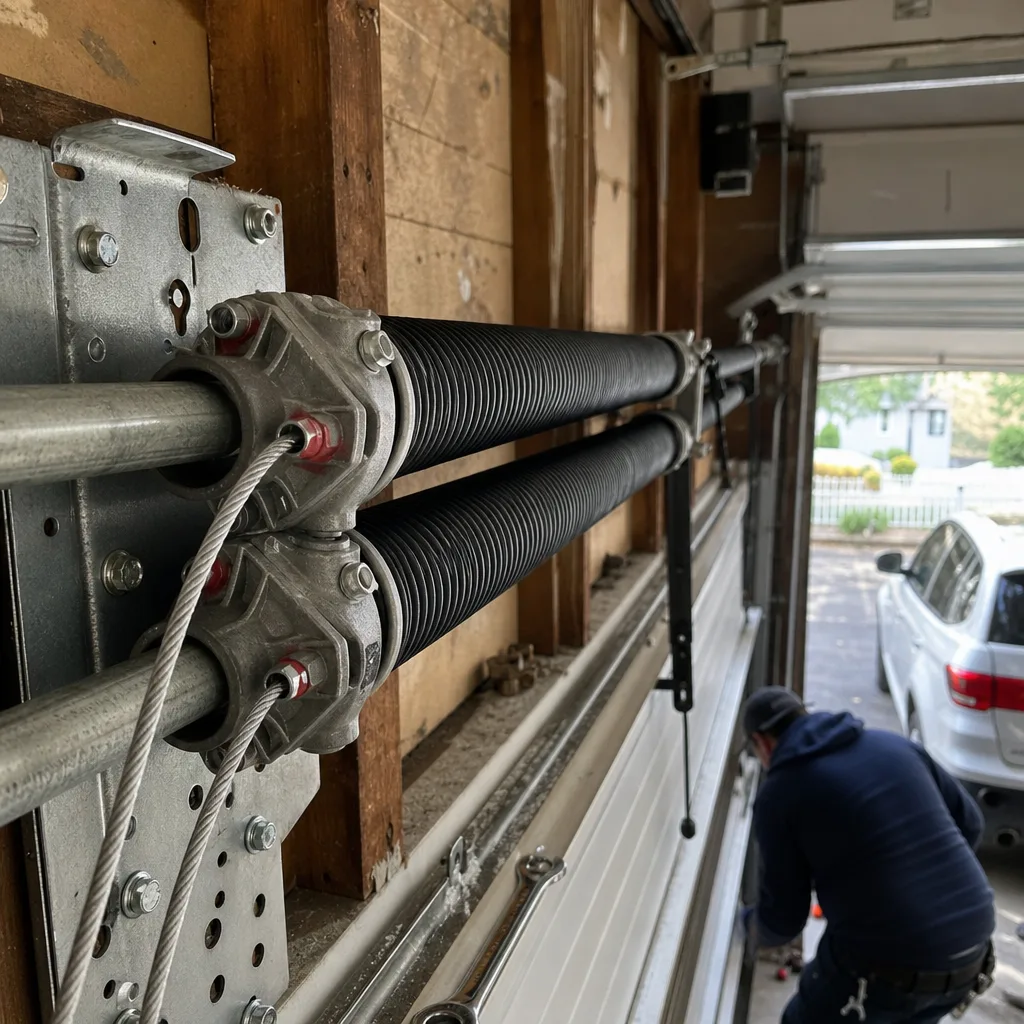
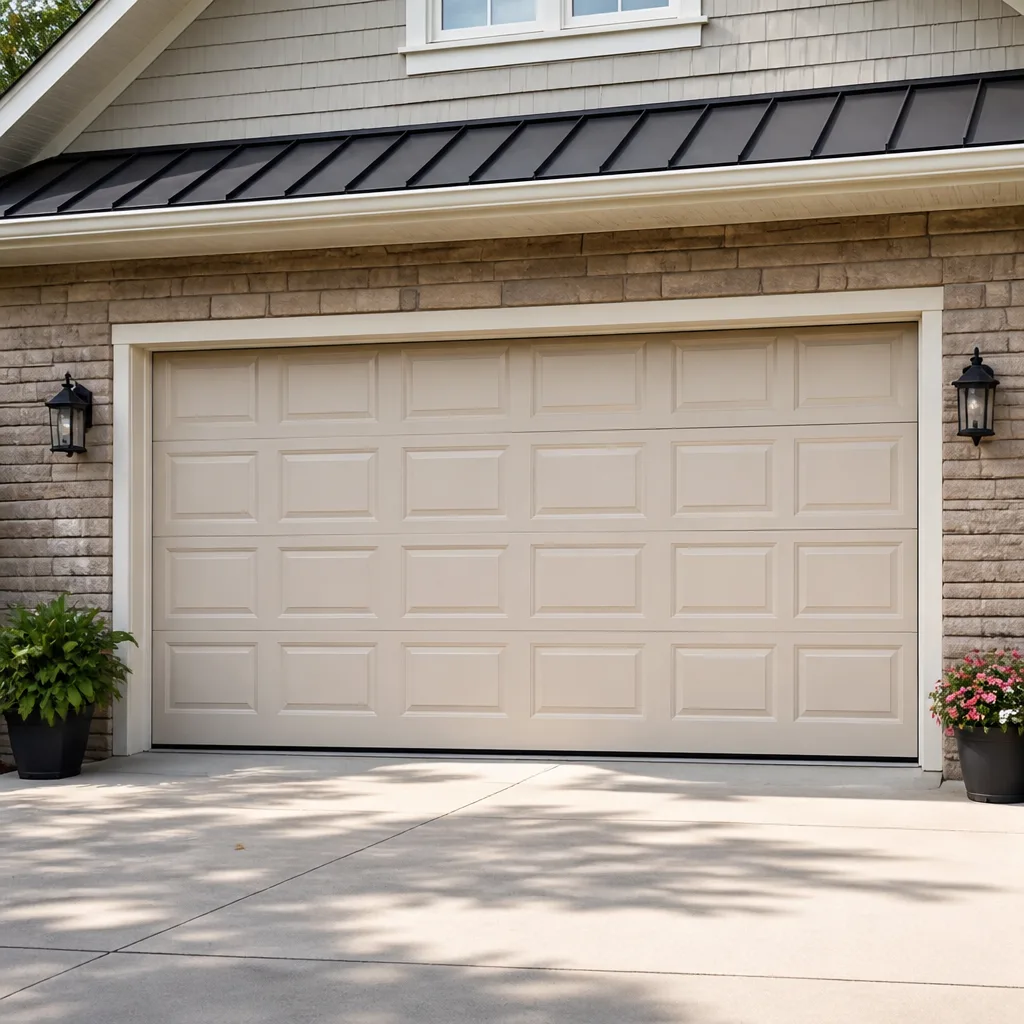 Raised-panel steel
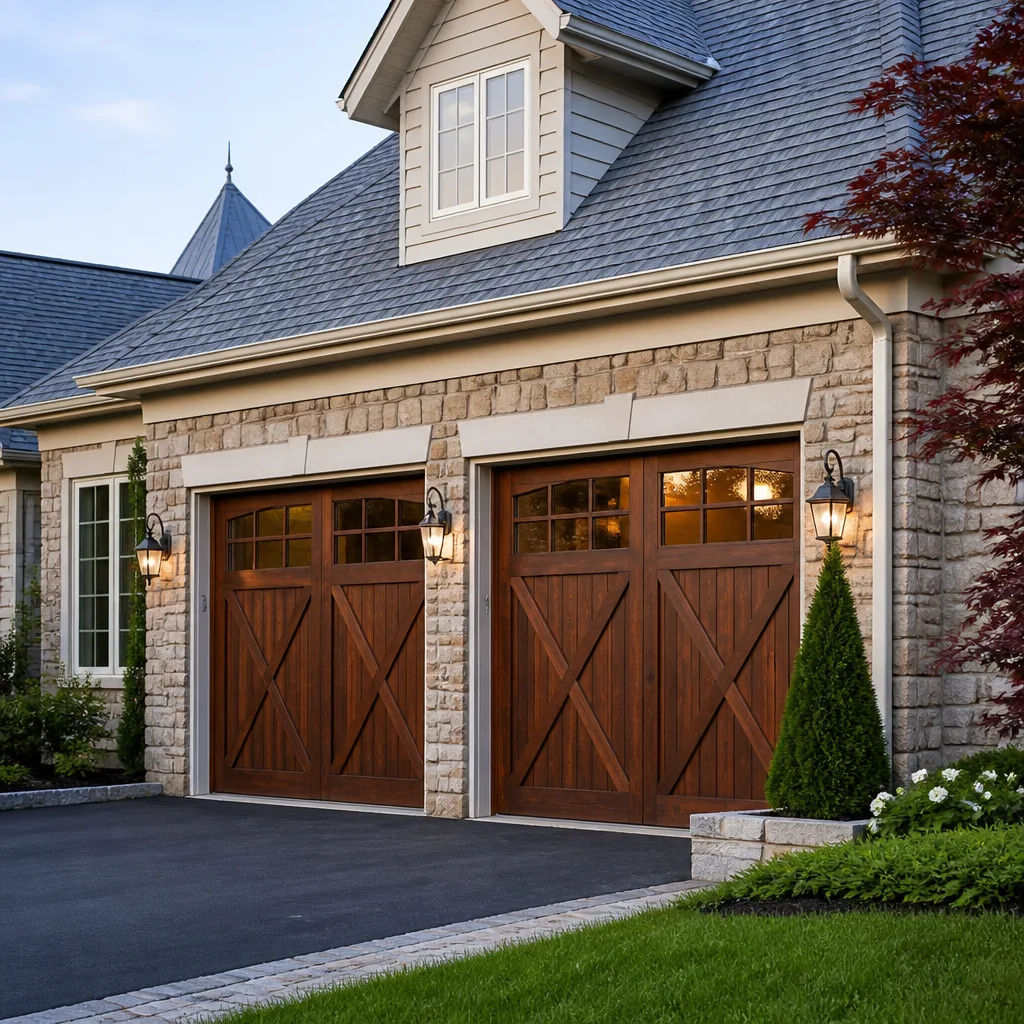 Carriage house
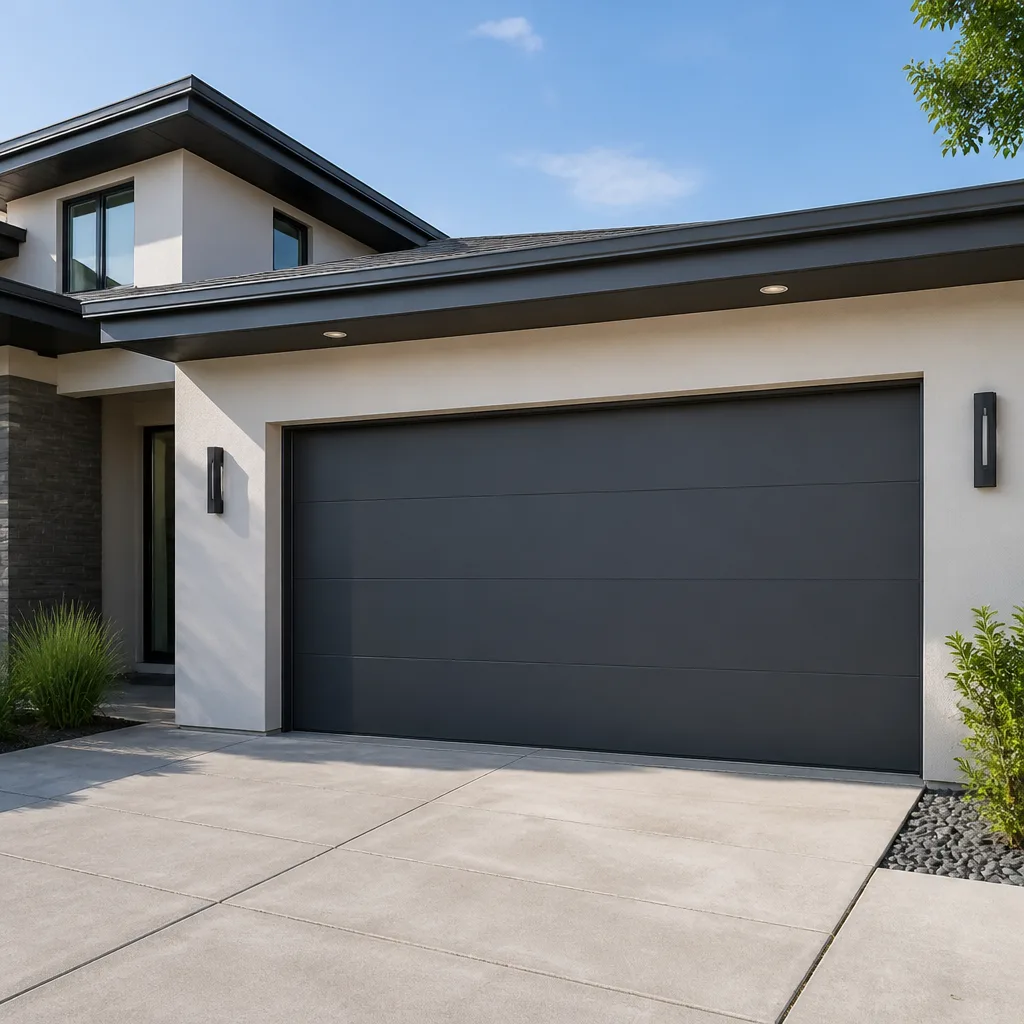 Modern flush
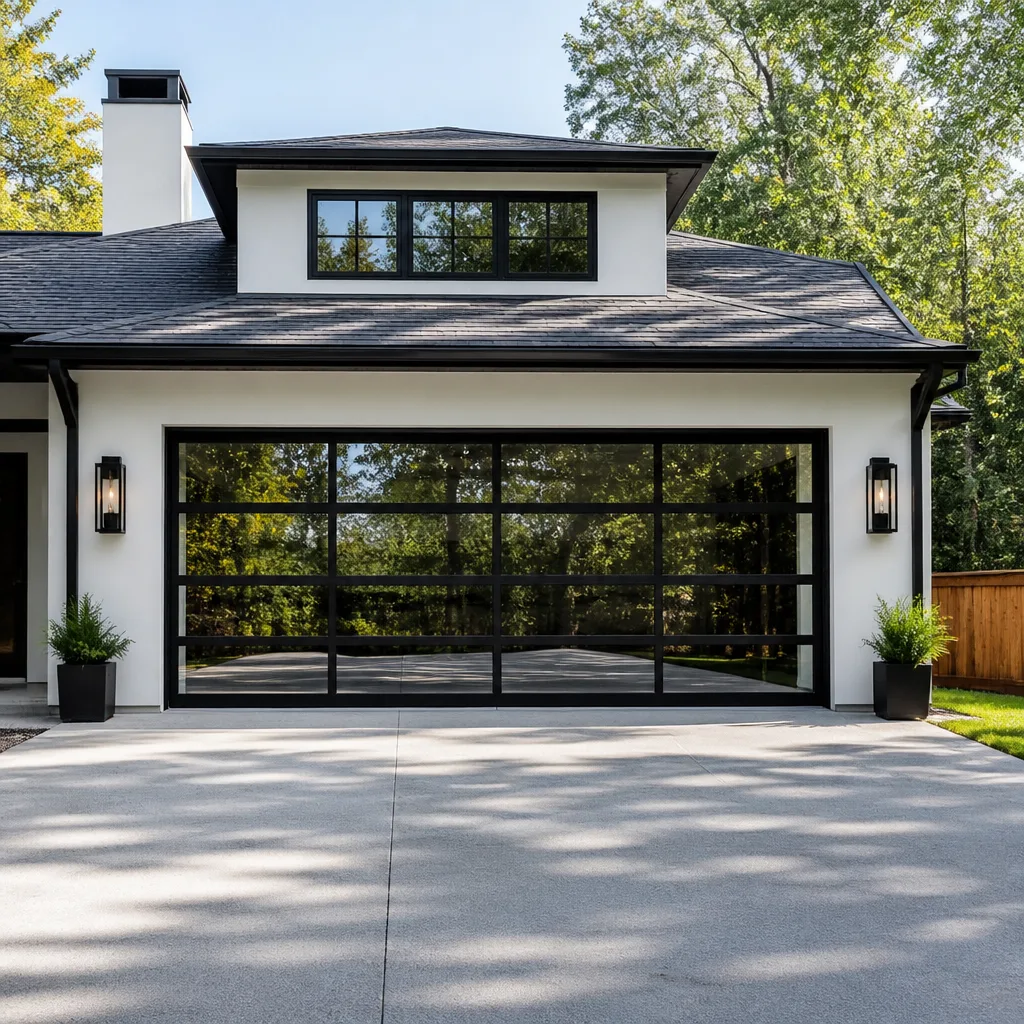 Full-view glass
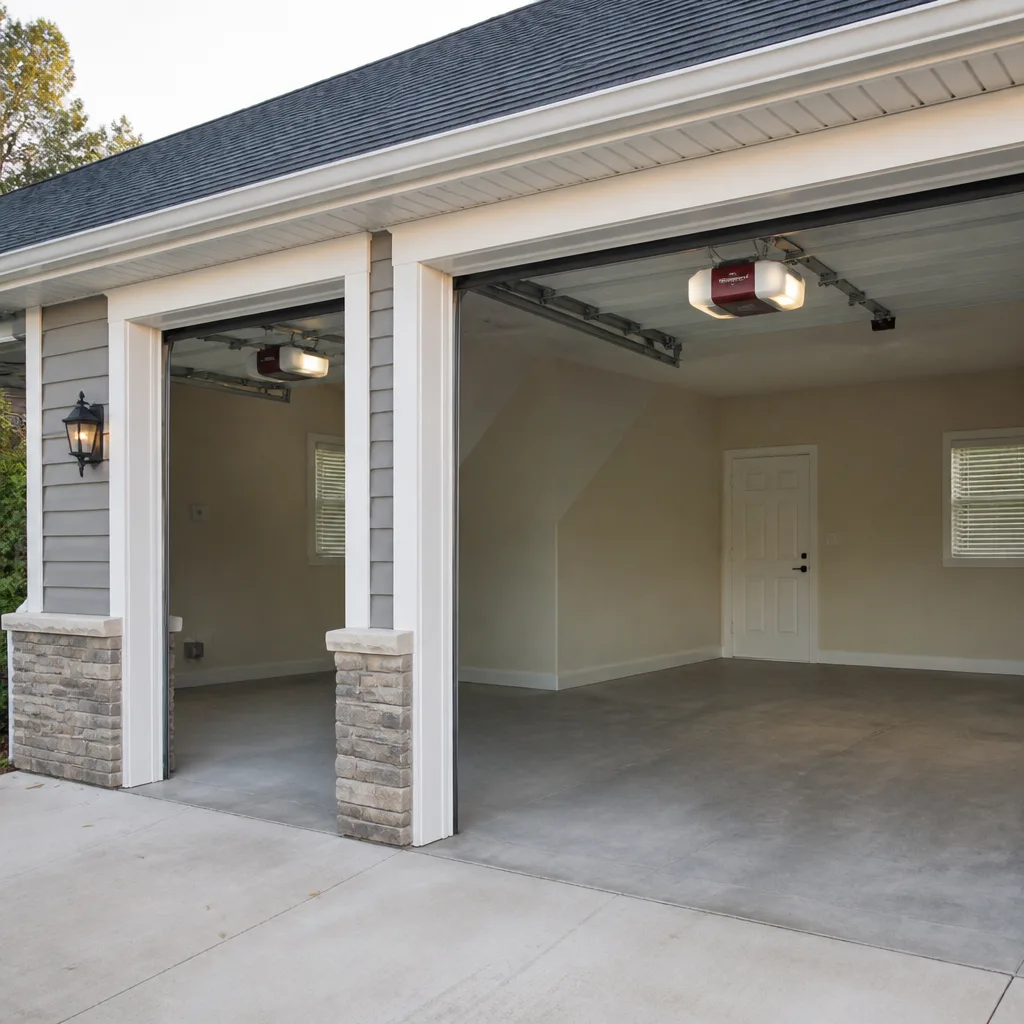 LiftMaster openers
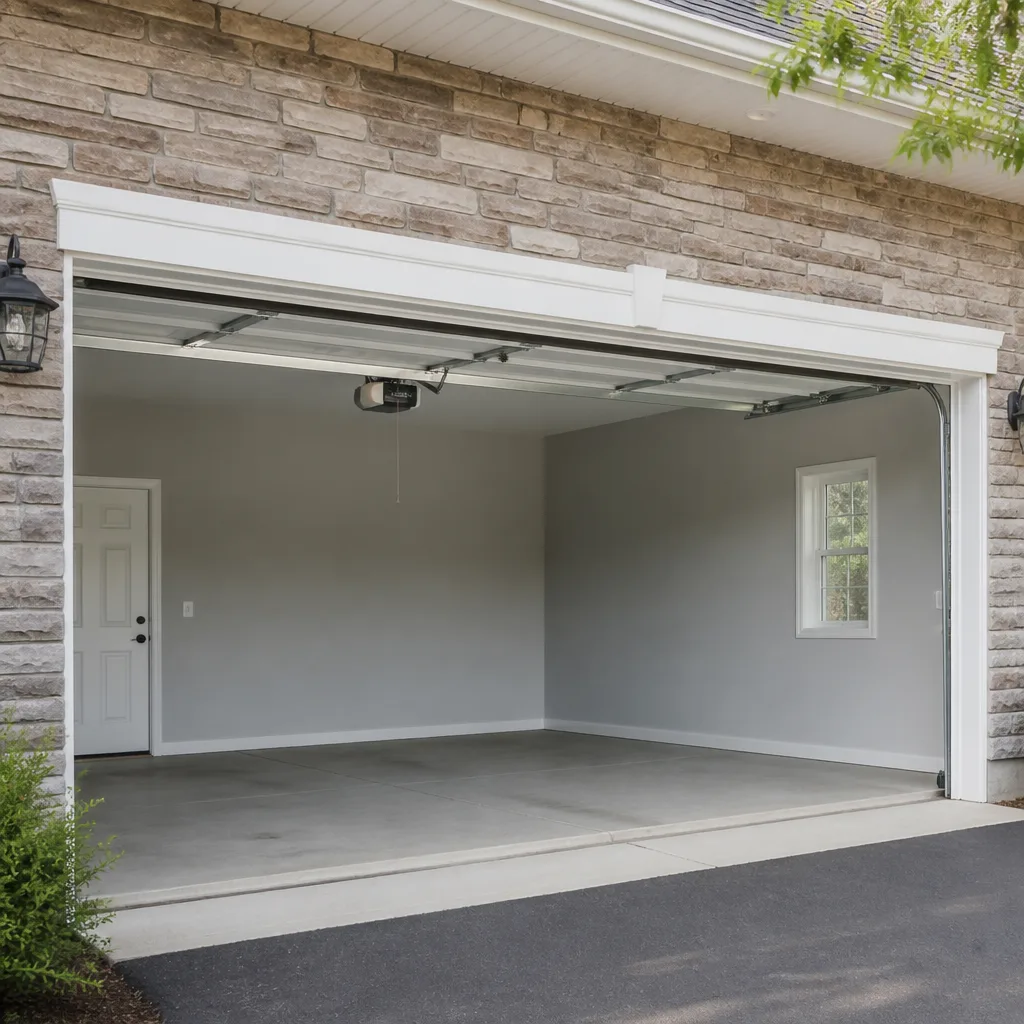 Chamberlain openers
Full 25-point door and opener safety check with every visit - springs, cables, rollers, tracks, and your LiftMaster or Chamberlain opener included
You get a price before we start. It does not change when the pro arrives.
Get your free estimateGarage Door Warning Signs: A Marlborough Homeowner’s Reference Guide
A garage door that hesitates for two seconds before it moves isn’t “being slow.” It’s showing you exactly where the drive system is losing its grip, and the failure that follows is predictable once you know how to read it. Most homeowners treat warning signs as a checklist to Google one by one. We think about them differently: every sound, jerk, and sag points to a specific component, and identifying the component tells you whether you have hours, days, or a few quiet weeks before something fails. This guide walks Marlborough homeowners through that diagnostic logic – what each sign means at the part level, and how urgent it really is.
Quick Answer
Garage door warning signs fall into three tiers: stop using the door now (a snapped spring, a frayed or hanging cable, a door that won’t stay down, or grinding from the opener with no movement), schedule a repair within days (jerking, uneven travel, a door that reverses on its own, opener lights that flicker), and monitor (a new squeak, a slight vibration, a remote that needs a firmer press). Any sign that involves a spring or cable is a stop sign, not a watch-and-see item. In Marlborough, the most common call we get is a door that stopped mid-travel on a cold morning, which almost always traces to a spring or a stripped opener gear.
Styles & brands we work with
- Raised-panel steel
- Carriage house
- Modern flush
- Full-view glass
- LiftMaster openers
- Chamberlain openers
Table of Contents
- What Is Your Door Telling You? Sound-Based Diagnostics
- Movement Signs: Springs, Cables, and Tracks
- The Severity System: Stop Now, Schedule Soon, or Monitor
- Opener Problem or Door Problem? How to Tell the Difference
- Visual Signs: What’s Urgent and What’s Cosmetic
- Tracks, Rollers, and Hinges: The Slow-Wear Components
- Why Marlborough Weather Accelerates Wear
- Common Mistakes to Avoid
What Is Your Door Telling You? Sound-Based Diagnostics
Sound is the first thing we listen for, because every component in a garage door system has a distinct failure sound. The key is matching the noise to the part, not just labeling it “loud.” Here’s how we break down the four sounds Marlborough homeowners describe most often:
- Grinding. A low, rough grind as the door moves usually means the opener’s drive gear or the door’s rollers are dragging. If the grinding happens at the opener head and the door barely moves, the plastic drive gear inside the unit is likely stripped – common on older Craftsman and Genie units in Marlborough homes that have seen ten or more winters.
- Squealing. A high-pitched squeal or whine points to dry or worn rollers and hinges, or a torsion spring that’s lost tension and is now binding. Squealing is usually a maintenance issue, not an emergency, but it’s the sign most often ignored until it becomes a seizure.
- Popping. A sharp pop when the door starts moving is often a torsion spring slipping on its shaft, or a hinge panel that has pulled loose. A single pop can be harmless; a repeated pop at the same point of travel means something is shifting under load.
- Clicking. A rhythmic click that repeats with the door’s travel usually traces to a limit switch on the opener, a loosened panel screw tapping its neighbor, or the safety sensor bracket vibrating against the track. Clicking is the easiest sound to localize by standing in the doorway and listening as the door passes each section.
The pattern matters more than the volume. A door that grinds once and then runs smooth is different from one that grinds throughout its travel. If you can point to where along the track the sound starts, you’ve already narrowed the failing component for whoever comes out to look. Our technicians have up to 12 years of experience with these systems, and the first question we ask on a garage door repair call is always “when exactly does the sound happen?” That answer often tells us what we’ll find before we’re on the driveway.
Movement Signs: Springs, Cables, and Tracks
Movement is where Marlborough’s winters show up most clearly. A door that jerks, sags to one side, or hesitates before moving is showing the load being unevenly distributed. Here’s what each pattern points to:
- Jerking or lurching as it rises. Usually a torsion spring that has lost a few coils of tension, or one spring in a matched pair that’s weakened faster than its partner. A jerking door is unbalanced, and an unbalanced door puts extra strain on the opener that shortens its life.
- Sagging on one side. A visible sag on one side of the door usually means a broken or stretched extension spring, or a cable that has slipped off its drum. This is a stop-using-it sign because the door can drop.
- Uneven travel – one side rises before the other. Often a bound track, a bent roller, or a cable that’s jumped its groove. Left alone, the door can jam fully open, which means a service call from a car parked mostly outside.
- Hesitating before moving. The opener’s drive gear or logic board is decelerating, or a weak spring is trying to lift more than it can. The hesitation is the system telling you the lift capacity is shrinking.
Cables and torsion springs are under extreme tension. They are not something to inspect by hand, and they should never be adjusted by a homeowner. If you see a frayed or hanging cable, or hear a loud bang from the garage and the door won’t lift, stop using the door and keep people and cars clear of it. Our garage door spring repair service handles these failures with the proper winding bars and safety protocol, because a snapped torsion spring is one of the few household repairs that can seriously injure someone who tries it alone.
The Severity System: Stop Now, Schedule Soon, or Monitor
Not every warning sign carries the same deadline. This is the heart of the diagnostic logic we use on every Marlborough call. Think of it as three tiers:
Tier 1 – Stop Using the Door Immediately
- A loud bang from the garage followed by a door that won’t lift (snapped torsion spring)
- A frayed, kinked, or hanging cable
- A door that drops or slams instead of lowering steadily
- The door won’t stay closed – it travels back up on its own every time
- A door sagging on one side, or visibly off its tracks
These are the signs that mean a component has already failed or is about to. Disconnect the opener if you can safely reach the release cord, keep vehicles and people out of the door’s path, and call us. We answer 24/7, and a call outside dispatch hours is booked into the next opening, Sunday through Friday, 7am to 7pm.
Tier 2 – Schedule a Repair Within Days
- Grinding at the opener head, or a door that barely moves under motor
- Jerking, uneven travel, or hesitation before moving
- Opener lights flickering, or a remote that needs several presses
- A door that reverses before fully closing, or the safety sensors misaligned
- Loud squealing or popping that repeats at the same point of travel
These tell you something is degrading but hasn’t failed yet. In our experience, this is the tier where a repair is cheapest and simplest – a gear replacement, a roller swap, a sensor realignment. Wait, and the same problem tends to take the opener or a spring down with it.
Tier 3 – Monitor and Note
- A single squeak on a cold morning
- A slight vibration at one speed but not another
- A remote that works from close range but not from the driveway
- Cosmetic dents, faded paint, or a slightly scuffed bottom seal
These are worth tracking, not panicking over. Note when they started and whether they’re getting worse – that’s the data we need when you call.
Opener Problem or Door Problem? How to Tell the Difference
This is the diagnostic most homeowners get wrong, because an opener failure and a door failure present almost identically: you press the button, and nothing happens or nothing good happens. The difference is whether the motor is running. Here’s how to narrow it down in about two minutes, without tools:
- Press the wall button and listen at the opener head. If you hear the motor running but the door doesn’t move, the opener is trying – the problem is on the door side (a broken spring, a bound track, a disconnected trolley). If the motor is silent, the problem is on the opener side (power, logic board, safety sensor, or the wall button itself).
- Look at the opener’s light. A light that flashes in a pattern rather than staying steady is the opener telling you what it thinks is wrong. On most LiftMaster and Chamberlain units, a repeating flash pattern points to a sensor obstruction; on many Genie units, a rapid flash is a travel-limit fault. Note the pattern before you call.
- Check the safety sensors at the door’s base. If one sensor’s LED is out or amber, the door won’t close no matter what the rest of the system is doing. Wiping the lens and checking that both sensors point at each other fixes a surprising share of “opener dead” calls.
- Try the manual release. Pulling the release cord disengages the door from the opener. If the door then lifts easily by hand, the door and springs are fine and the fault is in the opener. If the door is heavy or won’t lift, the fault is on the door or spring side.
That last test is the cleanest split between the two failure families. We service both sides – that’s why our garage door opener repair work covers everything from classic drive systems to Wi-Fi- and app-connected units – but the response is different. An opener repair is usually a scheduled visit; a spring or cable failure is a stop-now call.
Visual Signs: What’s Urgent and What’s Cosmetic
Walk around your door once a season and look, because some of the most urgent signs are silent. The trick is separating the urgent from the cosmetic:
Genuinely Urgent Visual Signs
- A gap between the torsion spring coils. A torsion spring that has snapped shows a visible gap where the coil used to be continuous. Stop using the door.
- A cable that’s frayed, kinked, or hanging off its drum. Cables should run straight and taut. Anything else is a safety problem.
- The door visibly off its tracks. A roller out of the track means the door is being held by less than it should be.
- A bent or twisted track section. Even a slight bend changes the door’s path and stresses the springs.
- Loose hinges or a hinge panel pulling away from the door. A loose hinge can shear a roller and drop a panel.
Cosmetic or Low-Priority Signs
- Dents, scratches, and faded paint on the door panels
- A worn bottom weather seal (worth replacing, but not urgent)
- A slightly noisy roller that still rolls true
- A keypad or remote with a weak battery
- A small gap at the bottom of the door that a seal adjustment will close
We see a lot of Marlborough doors with cosmetic denting from a car bumper or a backed-into garbage bin, and those are fine to leave. What we don’t want homeowners to leave is a bent track that looks minor next to a dent but is putting the whole door out of alignment. If you’re not sure which category a sign falls into, a free estimate is the cheapest way to find out – no work happens until the price is quoted and agreed.
Tracks, Rollers, and Hinges: The Slow-Wear Components
These are the parts that fail slowly, and they’re the reason a door that’s been “fine for years” suddenly isn’t. Tracks, rollers, and hinges wear at a predictable rate, and each type of wear shows up as a specific sign:
- Rollers. Steel rollers wear flat spots and start to rumble or click as the door travels. Nylon rollers last longer but can crack. A rumbling roller is a scheduled repair, not an emergency.
- Hinges. Hinges loosen over time and let panels shift slightly, which shows as a rattle on the move or a popped panel seam. Loose hinges are worth fixing before they take a roller with them.
- Tracks. Tracks bend from impact or from the door running out of alignment. A bent track is the most common cause of “the door jumps at one spot,” and it’s a repair we handle as part of general garage door repair.
- Springs. Torsion springs typically last a set number of cycles, and Marlborough’s temperature swings shorten that life. A door that felt heavy last summer and much heavier this winter is telling you the spring is near the end of its cycle count.
On the opener side, the slow-wear component is the drive gear. Most modern openers use a plastic or nylon gear that strips over time, especially on doors that are heavier than the opener was rated for. A stripped gear sounds like grinding and a door that barely moves – which is why that sound lands in Tier 2, not Tier 1. We also see smart-home openers from LiftMaster, Chamberlain, and Genie where the mechanical drive is fine but the Wi-Fi module or logic board has failed, which shows as an opener that works from the wall button but not the app.
Why Marlborough Weather Accelerates Wear
Marlborough’s climate is hard on garage doors in a specific way, and it’s worth understanding because it changes which signs you should watch for in which season. The town sits at the edge of the colder inland zone, which means repeated freeze-thaw cycles across the winter and a spring that brings significant moisture. That combination does three things to a garage door system:
- Metal expands and contracts. Tracks and springs shift slightly with temperature changes, which loosens fasteners and stresses spring coils. Doors that sit on the shaded north side of a house are especially prone to this.
- Lubrication breaks down. Cold thickens the grease in hinges, rollers, and the opener’s drive, which is why squeals and grinds show up on the first cold morning. A door that sounded fine in October is louder in November for a reason.
- Moisture reaches the bottom seal and wood components. The bottom seal and any wood frame sections take the most moisture load, which is why we see more rot and seal wear on doors that face the prevailing weather.
The practical takeaway: expect to hear new sounds in late fall and early spring, and don’t assume they’re just “winter noise.” Some of them are, and some are the spring telling you it’s near its cycle limit. A seasonal visual check – spring gap, cable condition, track alignment – takes five minutes and catches the majority of Tier 1 signs before they surprise you.
Common Mistakes to Avoid
- Assuming “it’s just slow because it’s cold.” Cold weather makes a door stiffer, but a door that hesitates or slows noticeably is showing you a weakening spring or opener. Winter noise and winter degradation sound similar, and the only way to tell them apart is to look.
- Lubricating a spring to “fix” a squeal. Spraying a torsion spring doesn’t restore tension and can hide the real problem. Squeals come from rollers and hinges far more often than from springs, and a dry spring is a symptom, not the cause.
- Forcing a door that won’t move with the opener. If the opener hums and the door doesn’t move, holding the button down stresses the gear and can strip it. Stop, disengage, and diagnose.
- Adjusting the safety sensors without checking alignment. Sticking a sensor back on with a bent bracket gets the door closing until it fails again. The bracket needs to be straight and the sensors pointed at each other.
- Ignoring a repeated pop at the same point of travel. A pop that happens every cycle means something is shifting under load, and it tends to find its failure point at the worst possible moment, like when a car is half in the garage.
- Assuming a louder door just needs new rollers. Rollers are often the cheapest fix, but a rattle can also come from loose hinges or a shifted panel. Diagnosis first, parts second.
- Waiting for a spring to snap before calling. A spring near the end of its cycle count is detectable by a technician, and replacing it on a scheduled visit is simpler than a Tier 1 emergency. In Marlborough, most of our spring-repair calls come from doors that skipped a seasonal check.
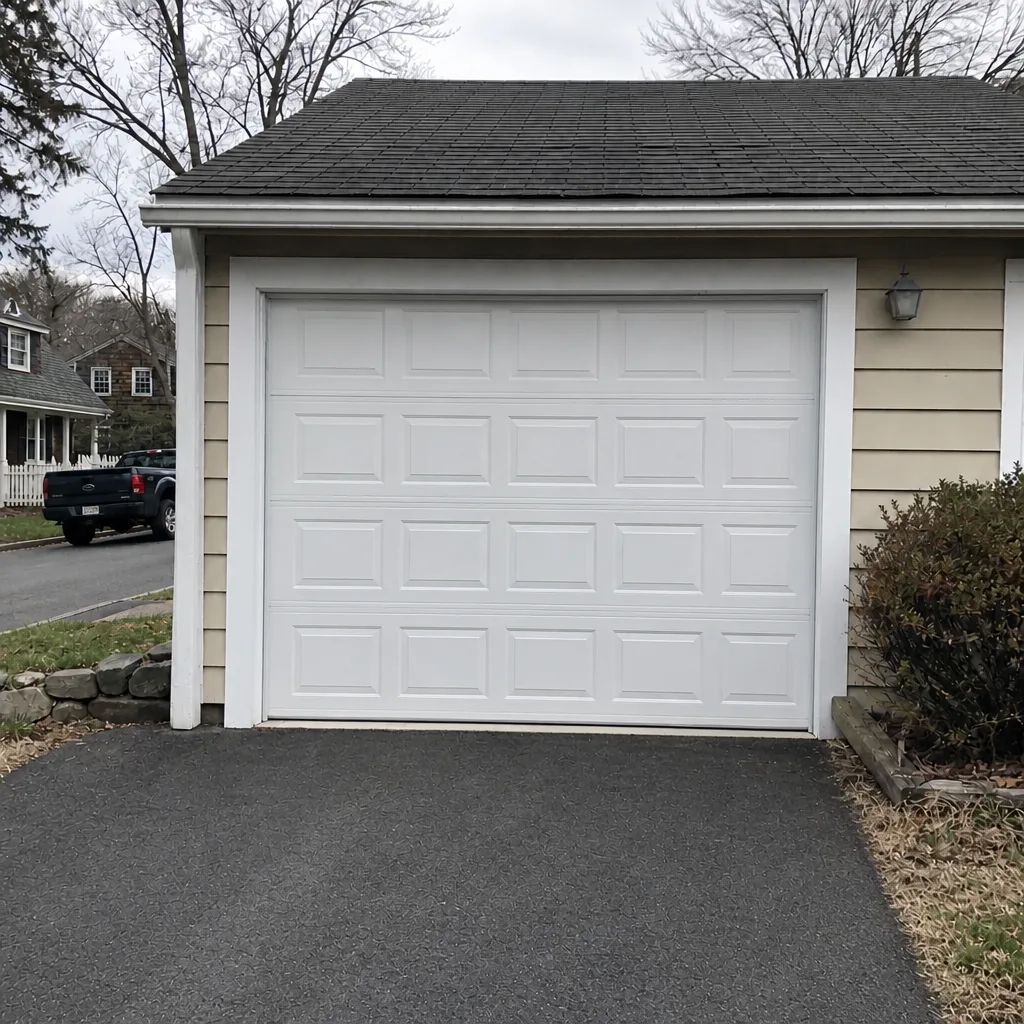
See the difference
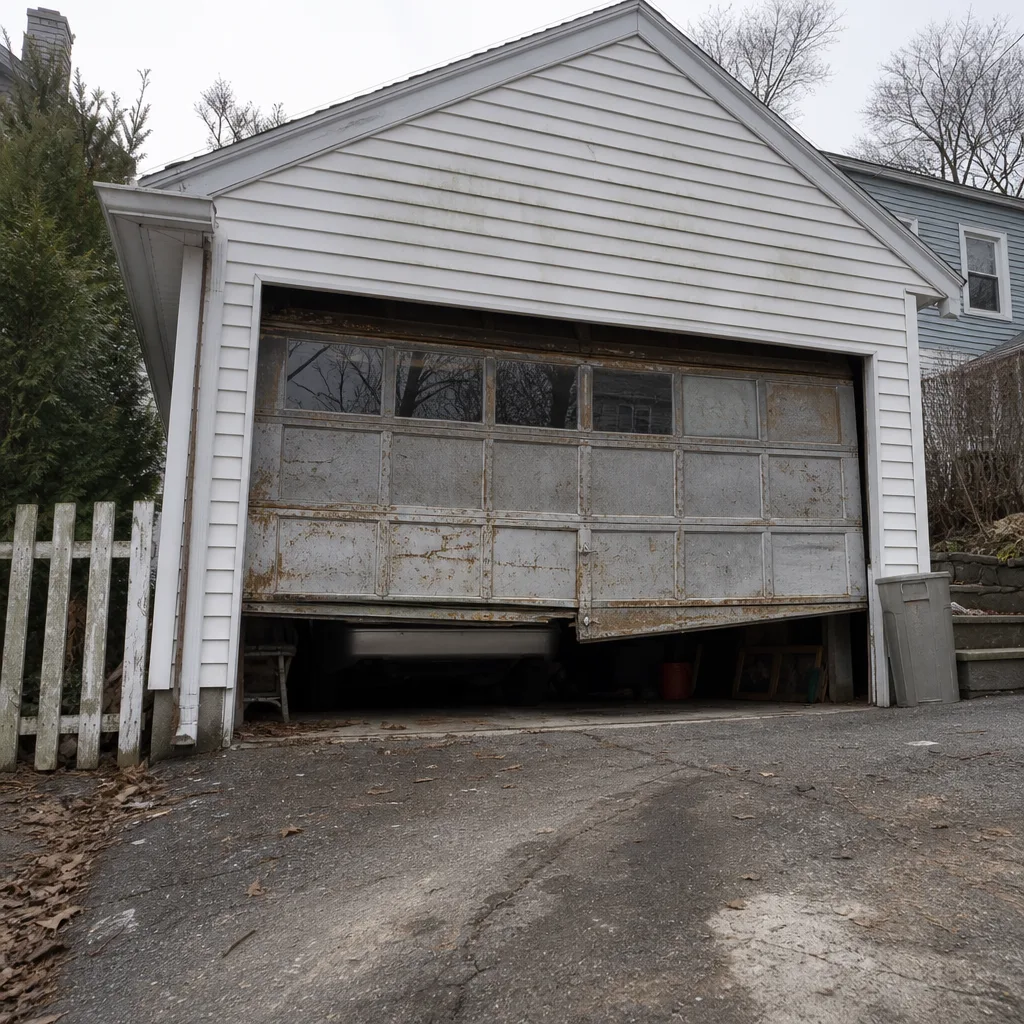 Before
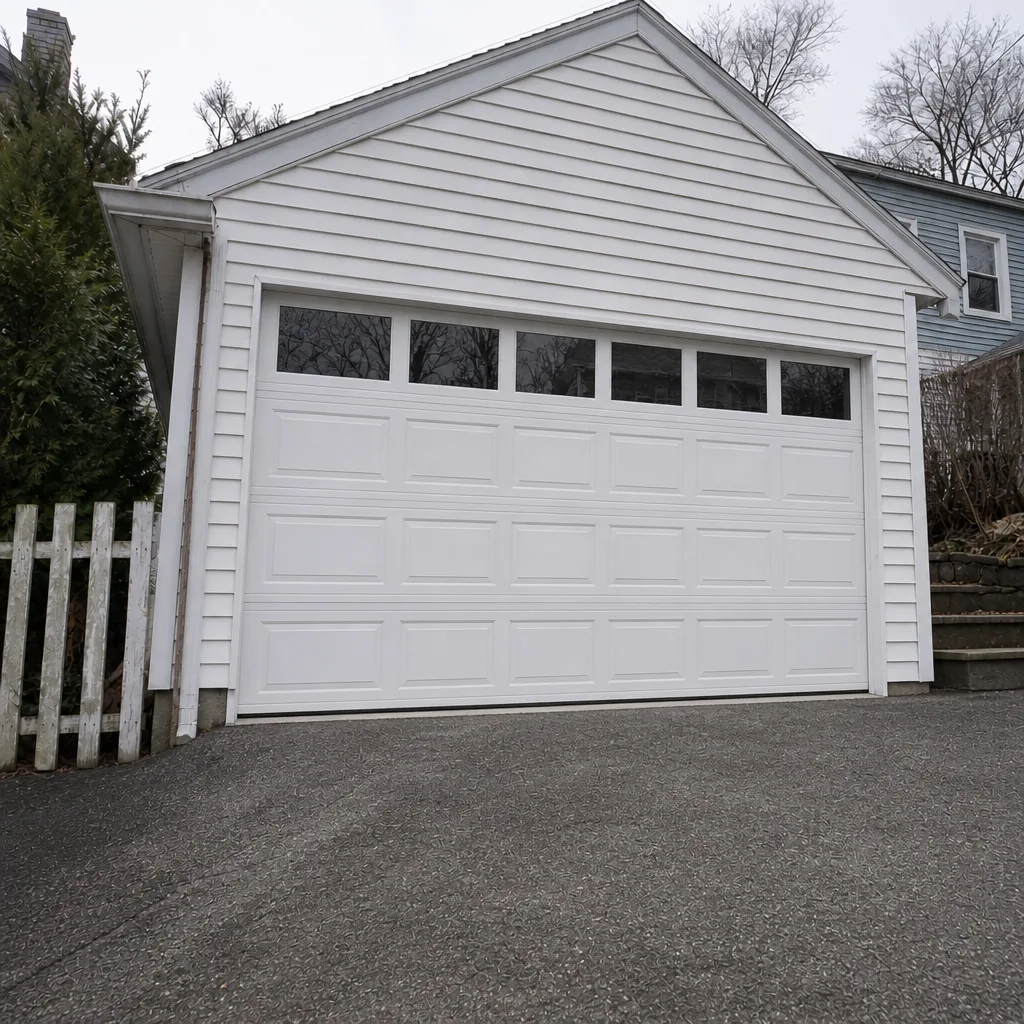 After
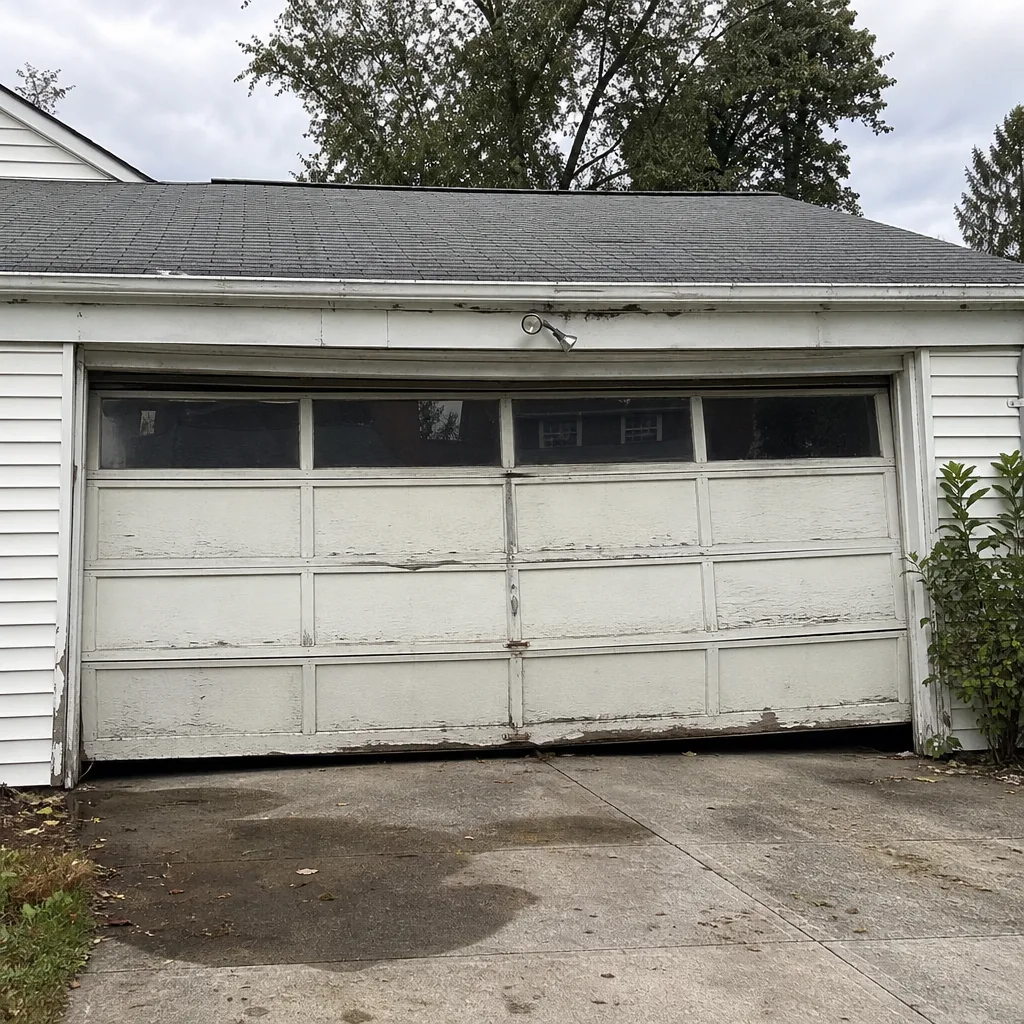 Before
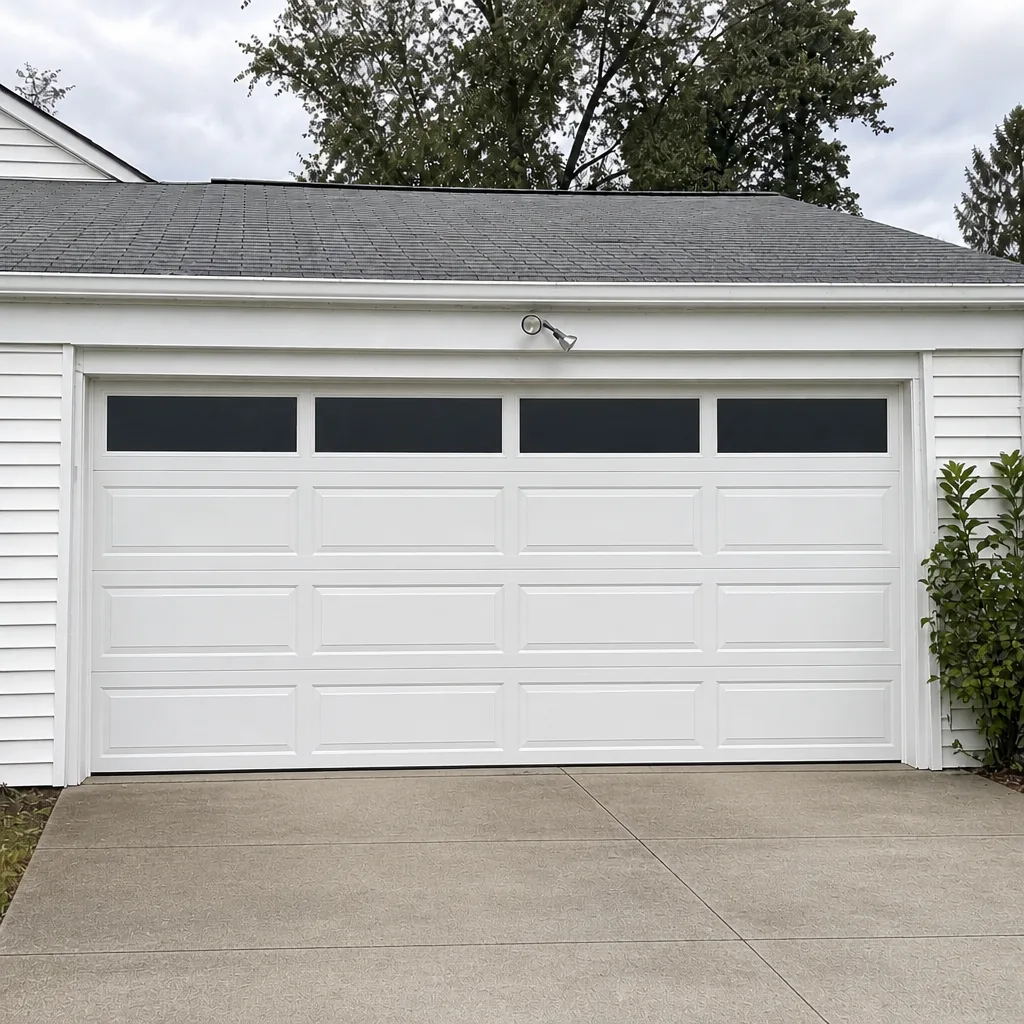 After
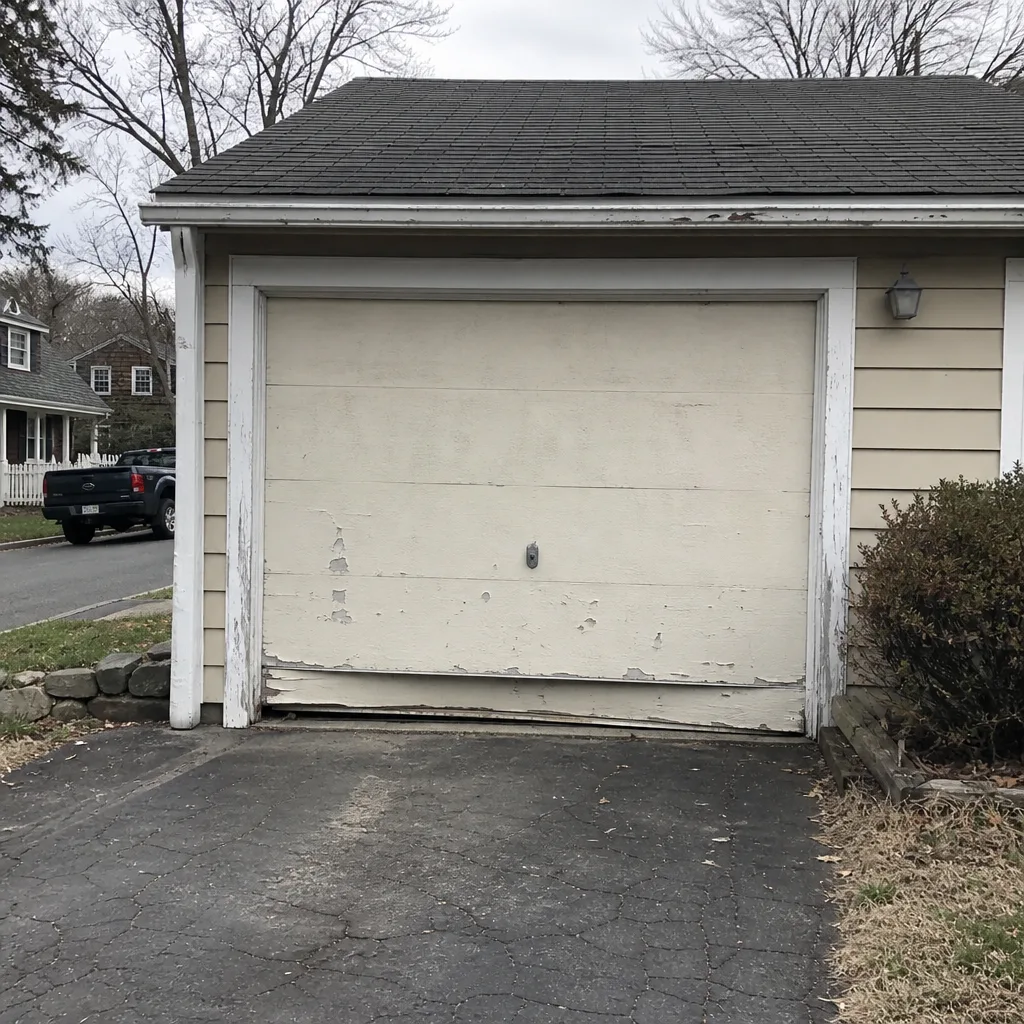 Before
 After
When to Call a Professional
Call us when you’re in Tier 1 – a snapped spring, a hanging cable, a door off its tracks, or a door that won’t stay closed. Those are stop-now situations, and we answer 24/7 with fast dispatch from 7am to 7pm, Sunday through Friday. Call when you’re in Tier 2 and the sign has repeated for more than a week, or when you can’t tell whether a sound is coming from the opener or the door. And call if you’ve never had the door looked at and it’s older than you can remember – a free estimate will tell you whether the springs, rollers, and opener are within safe wear limits. We work on the brand you already own, from Amarr and Wayne Dalton doors to Craftsman and Raynor openers, and our single focus is the three things that break most: springs, openers, and doors. Call (866) 540-7611 for a free estimate in Marlborough. The price is quoted and agreed before any work starts, so there are no surprises after the fact.
Frequently Asked Questions
The first sign is usually a change in sound – a grind, squeal, or pop that wasn’t there last season. Followed by hesitation before the door moves. Both point to a degrading spring or opener, and both are worth a look before they become a stop-now failure. Call (866) 540-7611 if you’re not sure what you’re hearing.
Typical garage door repairs in Marlborough are quoted per job based on what’s actually broken, and the written estimate sets the final price. We don’t quote over the phone from a symptom alone, because a grinding opener and a binding track sound the same but need different fixes. Call (866) 540-7611 for a free estimate – there’s no fee, and no work begins until you’ve agreed to the price.
Yes. Torsion and extension springs are under extreme tension, and a snapped spring or a loose cable can cause serious injury. That’s why spring work isn’t a DIY job and why we tell Marlborough homeowners to stop using the door the moment they see a spring gap or a hanging cable. Our garage door spring repair is handled with the proper tools and safety protocol.
Not necessarily. If the motor runs but the door stays put, the fault is usually on the door side (a broken spring, a bound track, a disconnected trolley) rather than in the opener itself. The manual release test tells you which: if the door lifts easily by hand, the opener is the culprit; if it’s heavy, the door or spring is. Call (866) 540-7611 and we’ll help you sort it out.
We service eight of the most widely owned residential brands, including Amarr, Wayne Dalton, Craftsman, and Raynor, along with LiftMaster, Chamberlain, Genie, and Clopay. If your door or opener is one of those, we already know the equipment. Call (866) 540-7611 to confirm your model.
For Tier 1 failures – a snapped spring, a hanging cable, a door off its tracks – we answer 24/7 and dispatch fast from 7am to 7pm, Sunday through Friday. A call outside dispatch hours is booked into the next opening. For Tier 2 signs, a scheduled visit within days is the right pace and keeps the repair simpler. Call (866) 540-7611 for a free estimate.
The Bottom Line
Warning signs on a garage door aren’t a list to Google one at a time – they’re a diagnostic map. Sound tells you which component is wearing. Movement tells you how the load is shifting. The severity tier tells you whether you have hours or weeks to act. In Marlborough, the freeze-thaw cycle means the signs show up most in late fall and early spring, and the cheapest repair is always the one made before the component fails. If you’re reading this with a door that’s been making noise for a while, that’s your sign. Call (866) 540-7611 for a free estimate, and we’ll tell you exactly which component is next to go.
Written by the team at Marlborough Garage Door Repair Pros.