
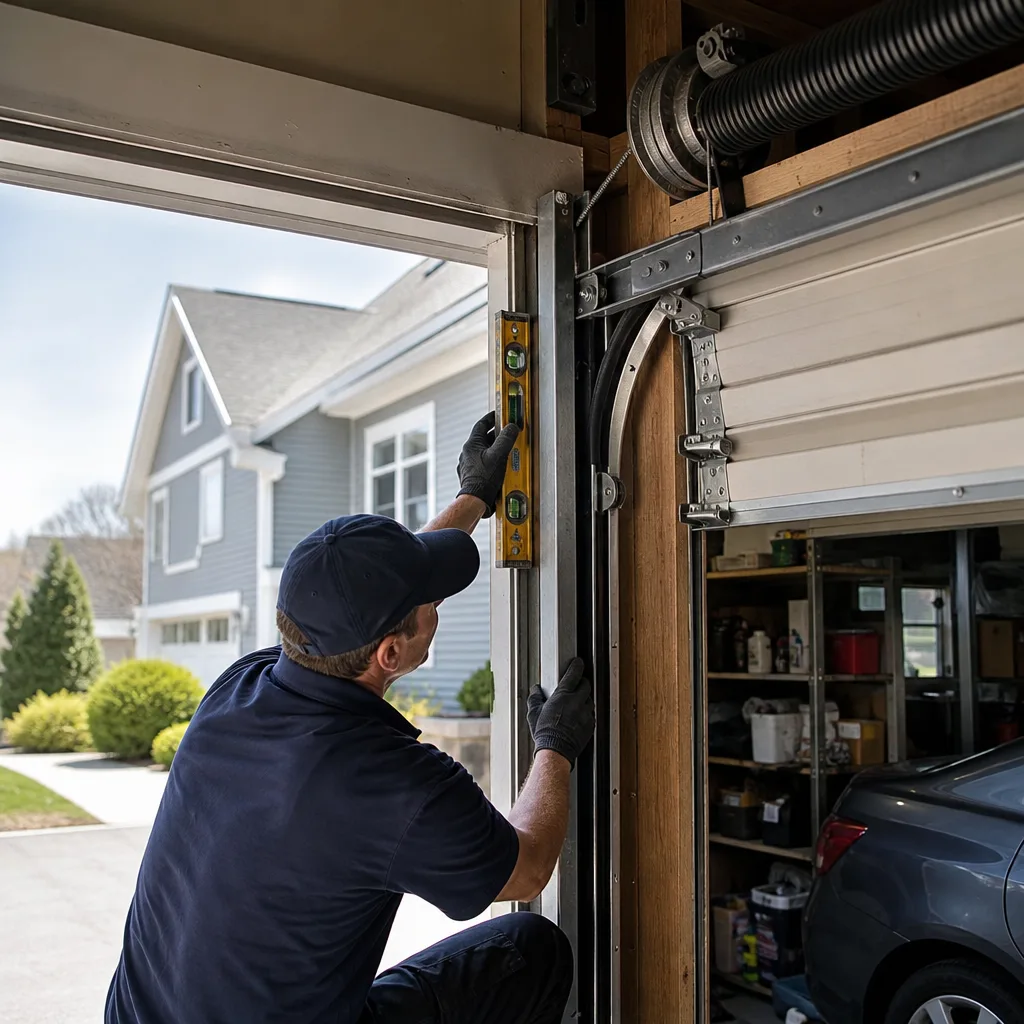
Last updated November 20, 2026
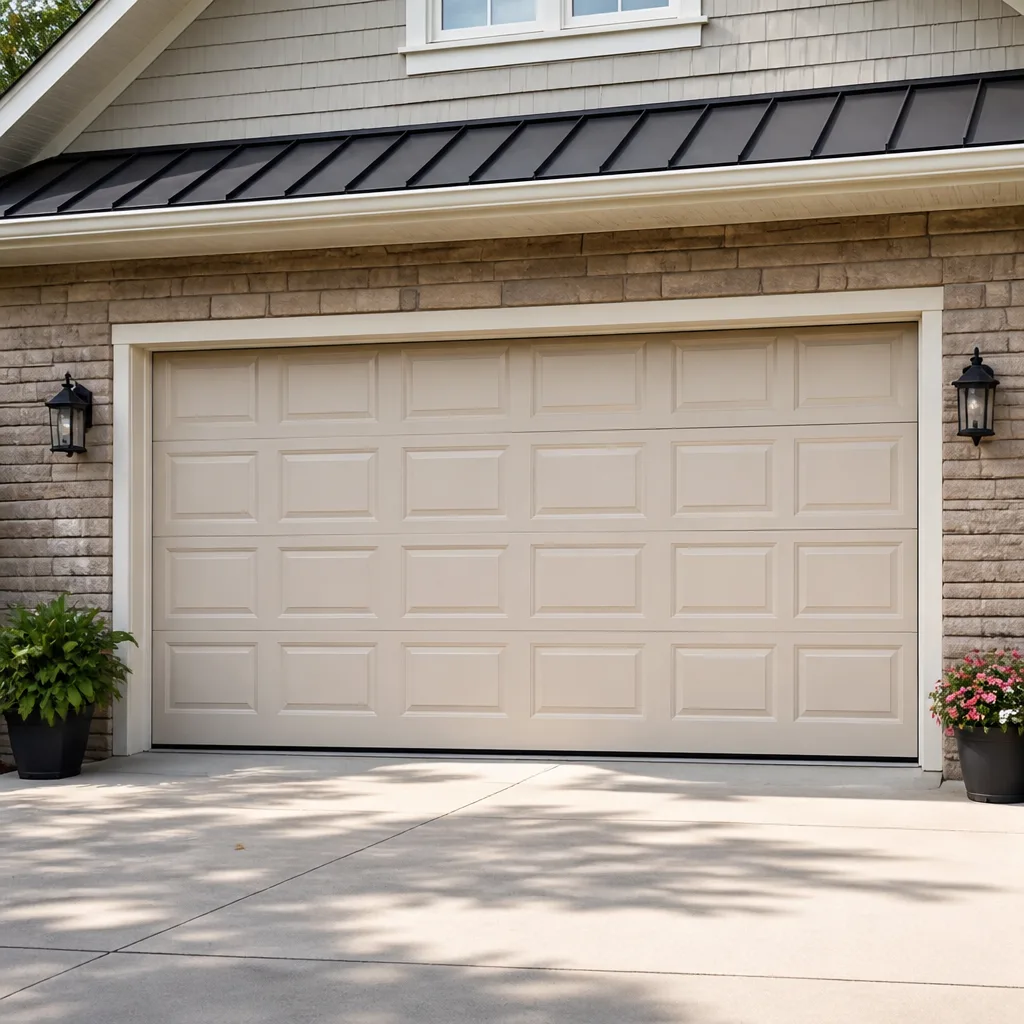 Raised-panel steel
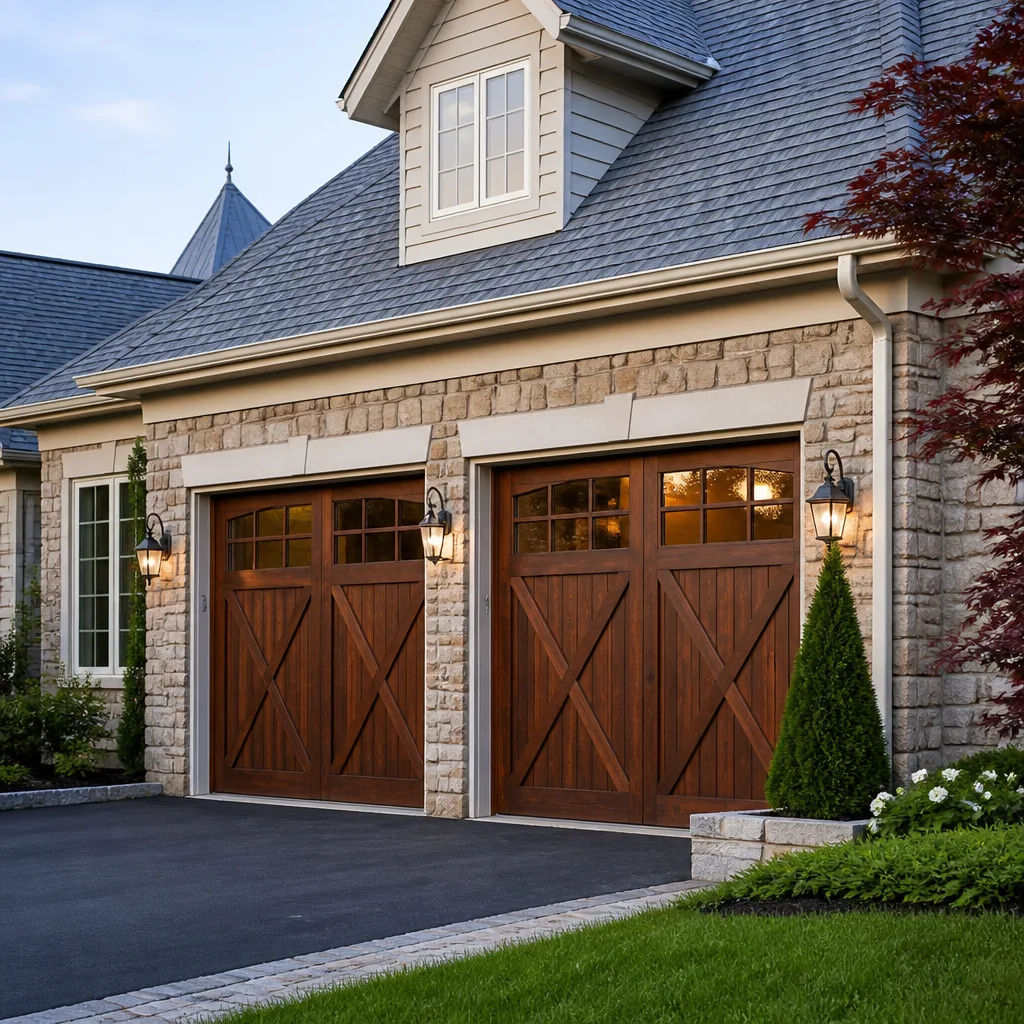 Carriage house
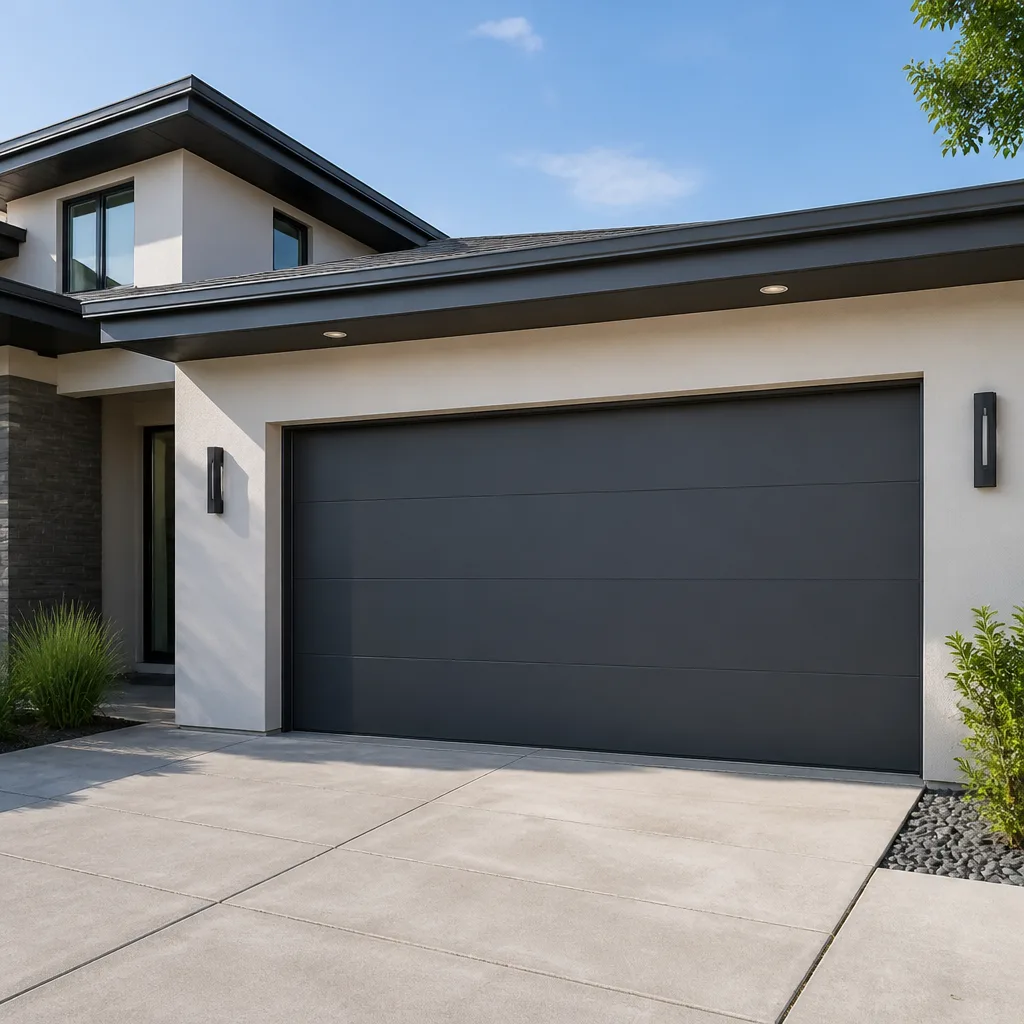 Modern flush
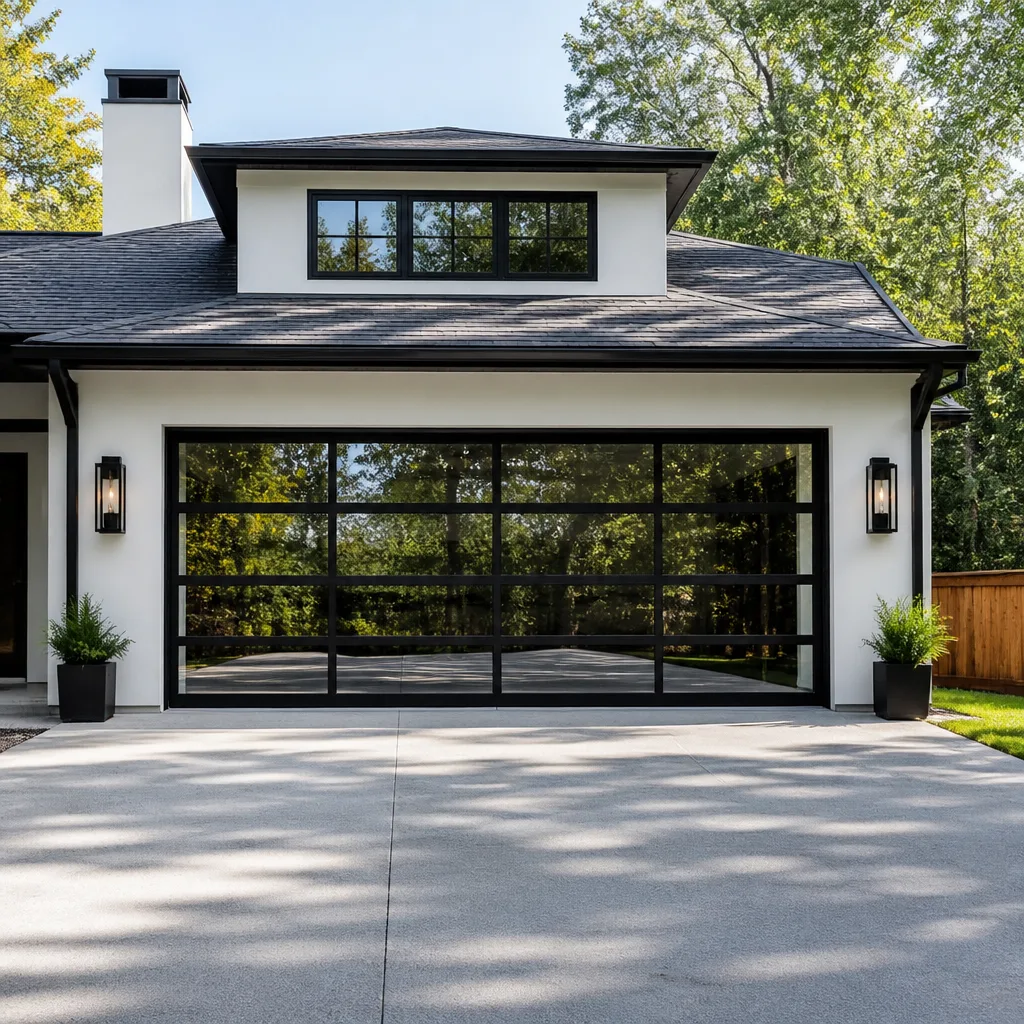 Full-view glass
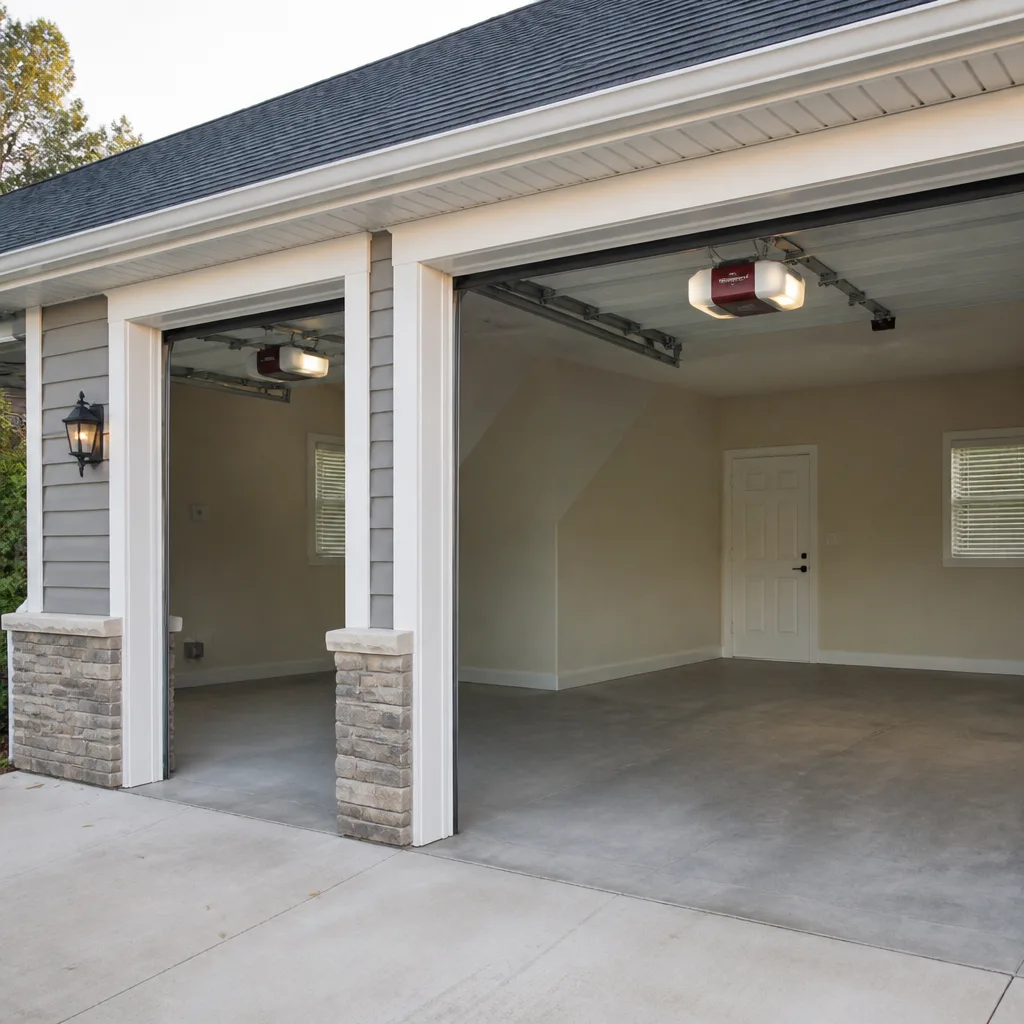 LiftMaster openers
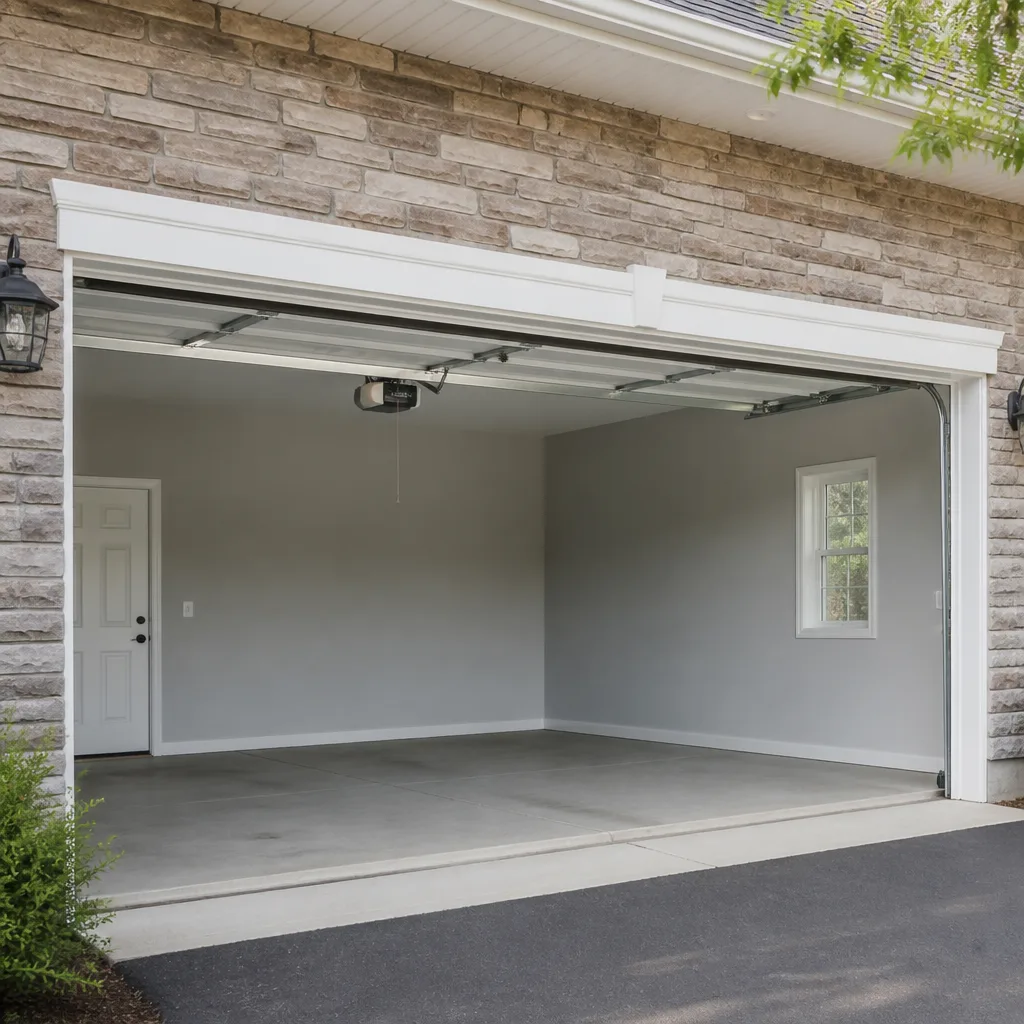 Chamberlain openers
Full 25-point door and opener safety check with every visit - springs, cables, rollers, tracks, and your LiftMaster or Chamberlain opener included
You get a price before we start. It does not change when the pro arrives.
Get your free estimateThe Complete Guide to Garage Doors in Marlborough
Most garage door advice treats every town the same. It lists spring prices, tells you to lubricate the rollers, and sends you on your way. That misses what actually matters in Marlborough, where the climate is hard on steel and harder on wood, where the housing stock spans five very different decades of door design, and where the freeze-thaw cycle does quiet damage to torsion springs that no manufacturer spec sheet accounts for. A door that works fine in a mild climate can fail early here. This guide is built around what we’ve seen break in Marlborough, why it breaks, and what to do about it, whether you’re on a 1970s colonial or a newer subdivision build.
Quick Answer
Garage door problems in Marlborough usually trace back to one of three things: a worn torsion spring, an opener that’s lost its logic or its drive, or a door that’s come out of balance and is fighting the opener. The right fix depends on the age of your door and which system it uses, which is closely tied to the era your house was built. Most failures are repairable, and the price is always set by a written estimate agreed before any work begins.
Styles & brands we work with
- Raised-panel steel
- Carriage house
- Modern flush
- Full-view glass
- LiftMaster openers
- Chamberlain openers
Table of Contents
- Why Marlborough’s Climate Ages Garage Doors Faster
- Housing Eras and the Door Systems They Use
- Steel, Composite, and Wood: What Holds Up Here
- How to Read Your Door as a System
- Which Components Wear Fastest and When
- The Spring Question: Torsion Versus Extension
- Choosing and Keeping an Opener That Lasts
- Safety Basics Every Homeowner Should Know
Why Marlborough’s Climate Ages Garage Doors Faster
Marlborough sits at an elevation and humidity crossroads. That combination is tougher on garage door components than the steady weather of a coastal town, and it’s the single biggest reason doors here wear differently than the manufacturer’s estimate suggests. A coastal community with moderate temperatures may not swing far enough to stress metal. Marlborough does.
The core of the problem is the freeze-thaw cycle. In winter, moisture works its way into small gaps around hinges, rollers, and panel seams. When temperatures drop, that moisture expands as it freezes. When the day warms, it thaws. Repeat this dozens of times over a season and the cycle does two things at once. It slowly distorts the metal in tracks and panels, and it works lubricant out of every moving part faster than a stable climate would.
Torsion springs feel the same stress in a different way. A torsion spring is a wound coil under heavy tension that lifts the door’s full weight. Each time the door opens and closes, the spring flexes. In a climate that swings from freezing to mild and back within days, the metal in the coil cycles through expansion and contraction on top of its normal flex. That extra movement builds metal fatigue earlier than a spring in a temperate zone.
By the time a spring reaches the far end of winter, it has taken far more stress than a spec sheet in a mild climate would predict. Homeowners here often discover a failing spring on the first cold morning it lets go, which is why mid-winter is one of our busiest stretches for garage door spring repair. The lesson isn’t to panic. It’s to plan for spring wear earlier than a generic timeline tells you, and to treat the quieter signs, like a door that’s getting heavier to lift or an opener straining to close it, as an early warning.
Housing Eras and the Door Systems They Use
Marlborough’s housing stock tells you a lot about what’s behind your door. The town grew through several distinct building waves, and each wave brought a different approach to garage door design and opener technology. Knowing your era helps you anticipate what you’re working with.
The 1960s through the 1990s colonials and ranches dominate many Marlborough neighborhoods. Homes from this stretch often still have original or once-replaced doors built around extension springs and a wood or early steel frame. Openers from the 1980s and 1990s are common here too, many of them chain-drive units with logic boards that are now aging. A surprising number of these homes still run Craftsman or Genie openers from that era, both of which are serviceable but increasingly prone to board failures.
The late 1990s and 2000s brought a wave of subdivision construction. These homes typically came with torsion-spring doors and sectional steel panels, and many were fitted with LiftMaster or Chamberlain openers with more sophisticated safety reversing systems. The equipment on these doors is generally solid, but the springs and rollers are now reaching the age where they need attention.
The newest subdivisions lean toward insulated steel doors and smart, Wi-Fi-connected openers. These systems are reliable when new, but connectivity and logic issues become the failure point rather than the door mechanism itself. Here’s a rough guide to what era tends to mean for the door:
- 1960s to 1980s: Extension springs, single-panel or early sectional doors, chain-drive openers. Expect to replace springs and opener logic at some point.
- 1990s: Mixed springs, sectional steel doors, transitional openers. Good candidates for proactive spring and roller replacement.
- 2000s to present: Torsion springs, insulated sections, newer openers including smart models. Watch the springs and the opener’s connectivity over time.
Steel, Composite, and Wood: What Holds Up Here
The material your door is made from matters more in Marlborough than in a lot of places. The combination of humidity in summer and repeated freeze-thaw in winter is hard on anything that absorbs moisture.
Wood doors look warm and suit some of the older colonials well, but wood in this climate needs real maintenance. Panels can warp as moisture gets into the grain, and paint cracks in the cold. Over several winters, a neglected wood door can develop rot along the bottom edge where snow and road moisture pool. That doesn’t mean wood is wrong, only that it asks more of you.
Steel handles the swings far better. It doesn’t absorb water, and when the finish stays intact it resists both rust and warping. A steel door with good insulation is the practical choice for most Marlborough homes, and it’s why so much of the newer subdivision construction settled on it. It also takes a more predictable beating from the freeze-thaw cycle since there’s no grain to swell.
Composite and fiberglass doors split the difference. They resist moisture and rot, hold up to the cold, and often come with a wood-like finish. For homeowners who want the look of wood without the upkeep, composite is worth considering. Steel and composite both outperform wood here, and that’s a regional calculation, not a remarketing of a generic recommendation.
How to Read Your Door as a System
The most common mistake homeowners make is treating the garage door as a pile of separate parts. It isn’t. It’s one connected mechanical system, and when one part starts to fail, it quietly loads stress onto the rest. Learning to read the system helps you catch problems before they cascade.
The system has four main pieces working together. The springs balance the door’s weight so it feels light. The tracks guide it in a straight line. The rollers and hinges carry it along the tracks and let the sections fold. The opener does the pushing and pulling, but it’s designed to move a balanced door, not to lift a heavy one on its own.
When a spring weakens, the door gets heavier, and the opener works harder to compensate. That extra strain wears the opener’s drive and its logic board. When a roller seizes, it drags against the track, and the door comes out of balance, which loads the springs unevenly. The pattern repeats across every part. A single worn component can set off a chain reaction.
So when you hear a new noise, feel a jerk, or notice the opener straining, don’t just listen for which part complained. Ask what it’s putting extra load on. Here’s how to think through it as a system:
- Start with balance. Disconnect the opener (with the door closed and springs intact) and lift the door halfway. If it stays put, it’s balanced. If it drops or rises, the springs or cables need attention.
- Listen to the opener. Grinding or whining points to the drive or logic. Clicking with no movement points to the board or a safety sensor.
- Inspect the tracks and rollers. Look for bent track sections and rollers that don’t spin freely. A seized roller is a common hidden drain on the whole system.
- Check the springs and cables visually. Look for a visible gap in a torsion spring or stretched extension springs. Never touch a spring or cable under tension; call a professional.
Which Components Wear Fastest and When
Every component on a garage door has a wear pattern, and in Marlborough the climate shifts those patterns earlier than a generic manual suggests. Here’s an honest order of what tends to fail first, along with the signs to watch for. The timelines below are rough expectations for this region’s conditions, not fixed promises.
Springs come first. They carry the most stress and cycle the most. In this climate, expect spring wear to show up earlier than a mild-weather estimate, often within a decade of regular use. Signs include a door that’s suddenly heavy, a loud bang from the garage, or an opener that struggles to lift.
Rollers and hinges next. The freeze-thaw cycle works lubricant out and lets grit into the rollers. Seized rollers show up as a jerky door and added noise. This is one of the most overlooked causes of opener strain.
The opener’s logic board and drive arrive third. Older openers in the 1990s homes here are the usual suspects. Look for a unit that clicks but won’t move, loses its remote pairing, or reverses for no reason. Newer smart openers tend to fail at the connectivity layer instead.
Cables and tracks round out the list. Cables fray and stretch over time, and tracks get knocked out of alignment, especially when a door has been running unbalanced. A track that’s out of plumb will drag the door and wear everything else faster.
Staying ahead of this order is what keeps a door out of trouble. If you replace a spring on schedule, you spare the opener. If you replace seized rollers, you spare the tracks. Patching one part while ignoring the others simply moves the failure down the line. Our technicians have up to 12 years of experience reading these patterns, and the pattern is remarkably consistent in Marlborough.
The Spring Question: Torsion Versus Extension
Springs are the heart of the system, and understanding the two types helps you make sense of what you’re looking at. Torsion springs mount horizontally above the door on a metal shaft and twist to lift it. Extension springs mount along the sides and stretch to do the same job. Most newer Marlborough homes use torsion; many older ones still have extension.
Both types carry heavy stored energy, and both are dangerous to handle. A torsion spring is wound tight around the shaft and can snap violently when it fails or when someone tries to adjust it without the right tools. Extension springs can whip if a cable or safety containment fails. This is not a component to work on yourself. A trained technician uses a winding bar and proper protocol to release tension safely. We’ve seen what happens when a homeowner tries it with hand tools, and it’s never worth the risk.
When a spring fails, the door may still be attached but won’t lift properly, or it drops the moment you pull the handle. If a torsion spring snaps, you’ll often hear a loud crack and the door will suddenly feel far heavier. Stop using the door and call for help. Repairs like this fall squarely into garage door repair that a professional should handle, both for safety and to get the door back in working order without risking the opener.
A matched pair of springs is usually replaced together, because springs wear at a similar rate. The written estimate will spell out whether one spring or the pair needs replacing, and the price is agreed before any work starts.
Choosing and Keeping an Opener That Lasts
The opener is only as good as the door it moves, so the first rule of opener health is keeping the door balanced. A well-adjusted door lets the opener run with minimal strain, and an opener with an easy job will outlast one fighting a heavy door by years.
When it’s time to replace an opener, match it to your door and your habits. Belt-drive openers run quieter, which matters if a bedroom sits above the garage. Chain-drive units are rugged and common in the older Marlborough homes. Smart, Wi-Fi-connected openers add app control and alerts, but they bring connectivity and logic-board failure points that older mechanical units don’t have. LiftMaster and Chamberlain both make reliable smart units; Genie and Craftsman cover the classic drive systems well. And when an opener needs fixing rather than replacing, garage door opener repair is often the smarter call than buying new.
To keep an opener working longer, lubricate the moving parts once or twice a year, test the door’s balance periodically, and keep the safety sensors aligned and the lens on the safety reversing photo-eye clean. A smart opener’s firmware and app settings are worth checking occasionally so it doesn’t drop off the network.
Safety Basics Every Homeowner Should Know
A garage door is the largest moving object in most homes, and it’s also one of the heaviest. The safety basics here matter for everyone who uses the door, and some of them are the difference between a routine morning and a serious injury.
- Never touch a spring or a cable under tension. This is the single most important rule. The stored energy in a spring can cause severe injury in an instant. Leave spring and cable work to a trained professional.
- Test the safety reversing feature. Place a small object in the door’s path and close it. The door should reverse on contact. Do this check regularly.
- Keep the path clear. Kids, pets, and stored items should never sit in the door’s travel path while it moves.
- Watch for warning signs. A door that moves unevenly, jerks, sticks, or reverses on its own is telling you something is out of balance or failing. Stop using it and get it checked.
- Don’t force a door that won’t move. Forcing it strains the opener and can snap a failing spring. If it won’t lift, call a professional.
Warning labels on the door and near the opener describe these hazards. Don’t remove them. They’re there for a reason, and every technician who services a door relies on those labels to help explain the risk to homeowners.
Common Mistakes to Avoid
- Treating a spring as a DIY repair. This is the mistake that leads to the worst outcomes. Springs store enormous energy, and winding or releasing one without proper tools and training is genuinely dangerous. Call a professional.
- Ignoring the door’s balance. A heavy door that the opener struggles to lift is a warning sign. If you keep running it, you’ll wear out the opener and the springs faster. Test balance after any spring or roller change.
- Skipping lubrication. In this climate, moving parts dry out faster than in milder regions. A few minutes with proper garage-door lubricant once or twice a year prevents seized rollers and reduces strain on the opener.
- Replacing a part without checking the rest. Replacing one spring while ignoring a stretched cable or seized roller simply moves the failure down the line. Read the whole system, not one piece.
- Choosing wood without planning maintenance. Wood doors in this climate need real upkeep to resist moisture and warping. If you don’t want that commitment, steel or composite are more forgiving choices.
- Ignoring your opener’s age. A 1990s opener in an older Marlborough home may be near the end of its logic board’s life. A unit that clicks but won’t move is often better replaced than rebuilt.
- Forcing a stuck door. If the door won’t lift, don’t yank the handle or keep hitting the remote. Something is failing, and forcing it risks the opener or a spring.
See the difference
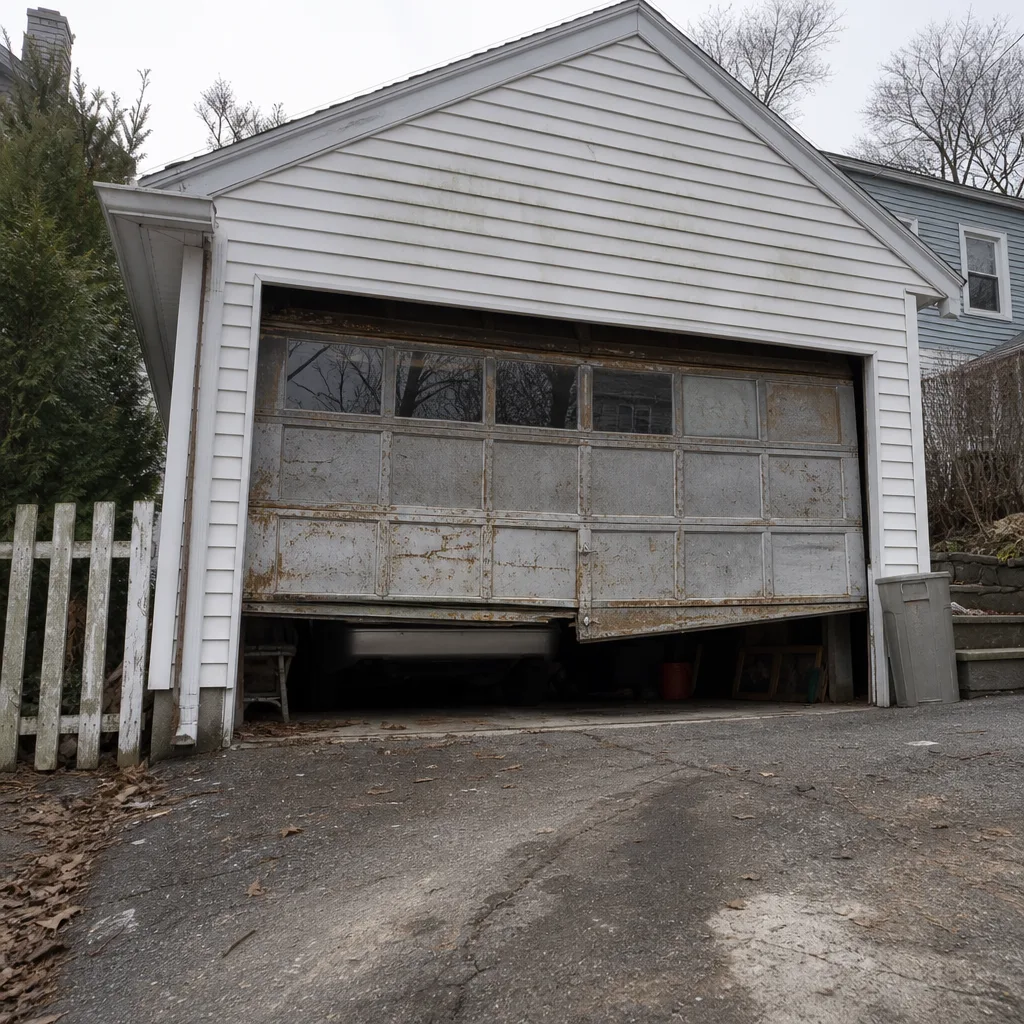 Before
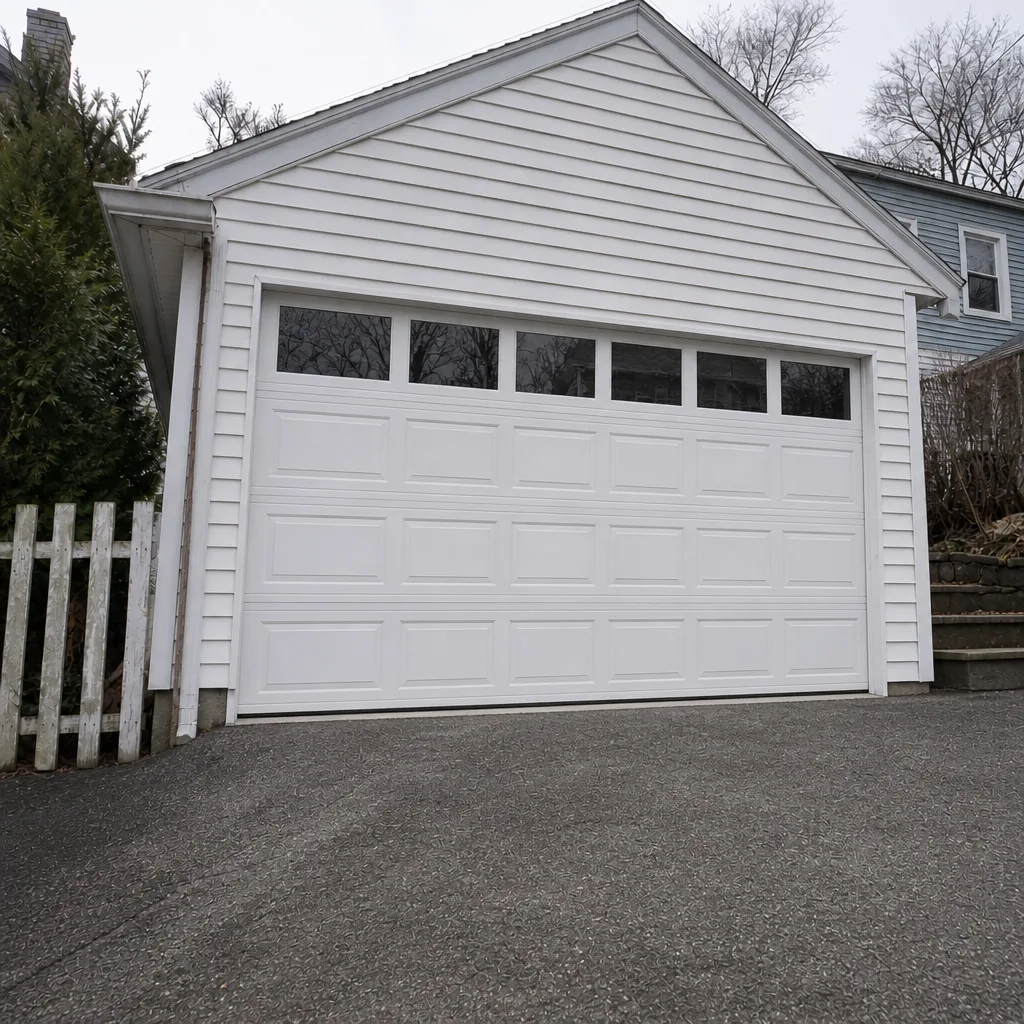 After
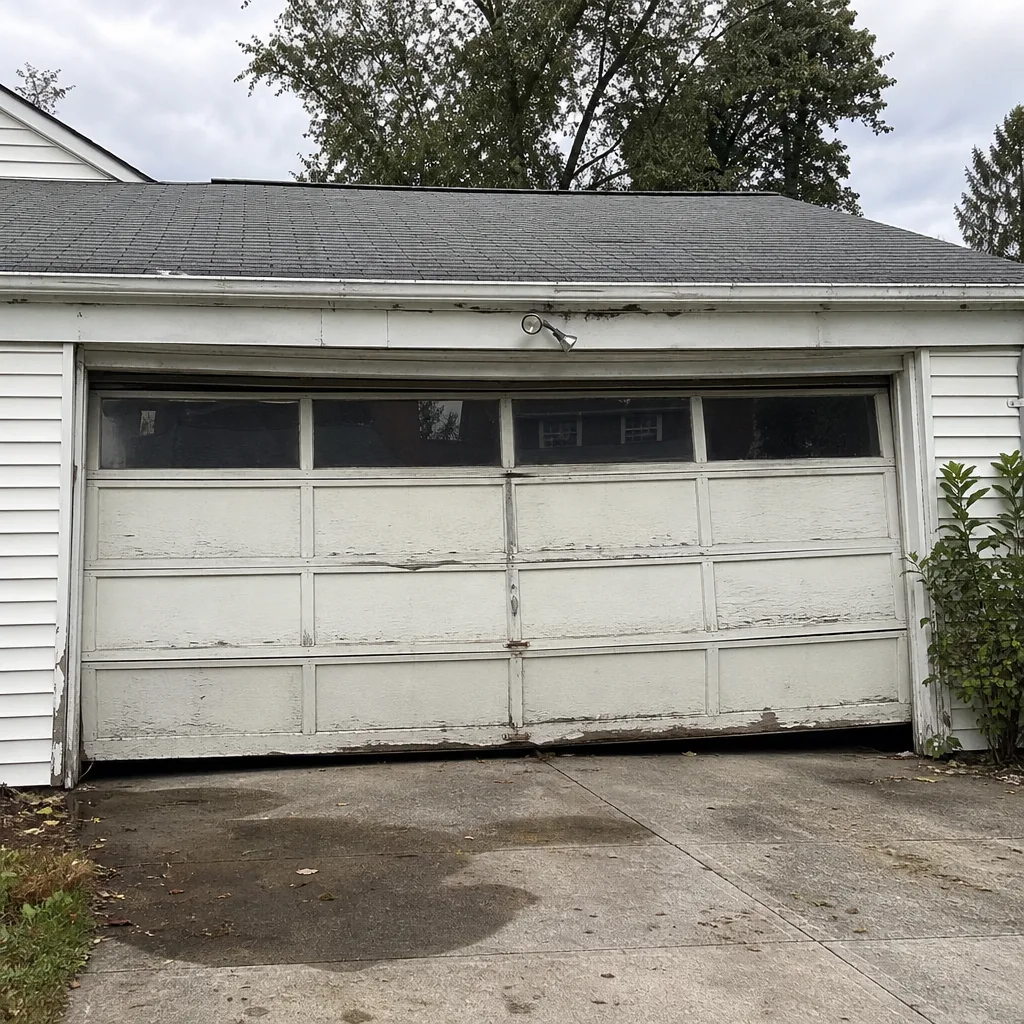 Before
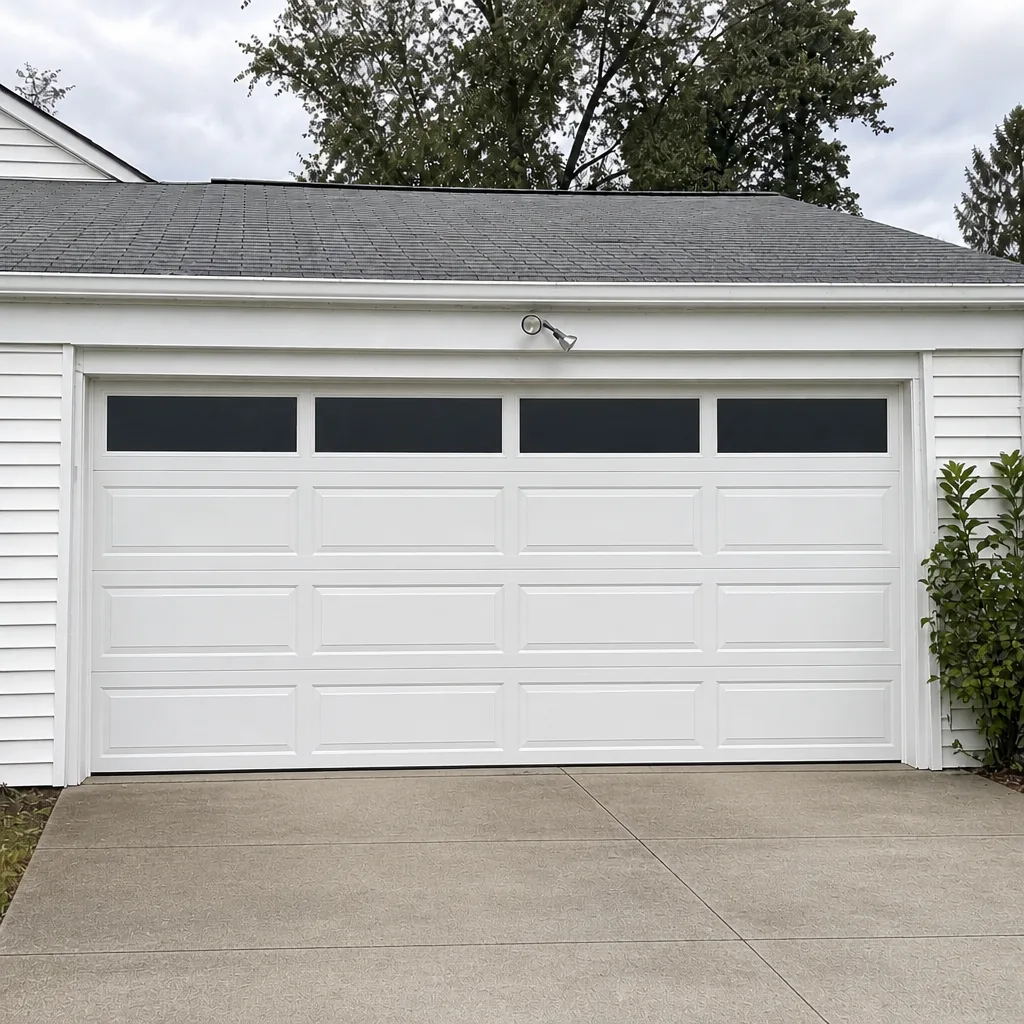 After
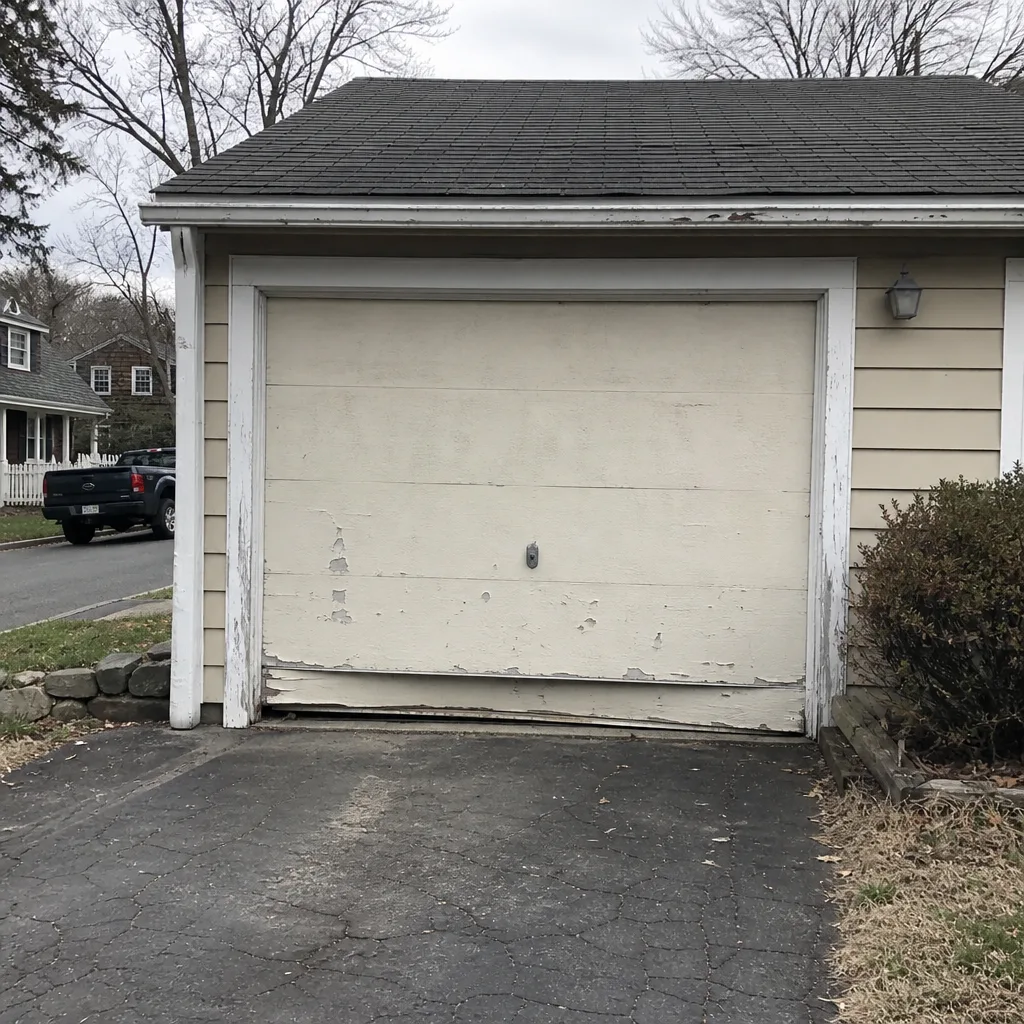 Before
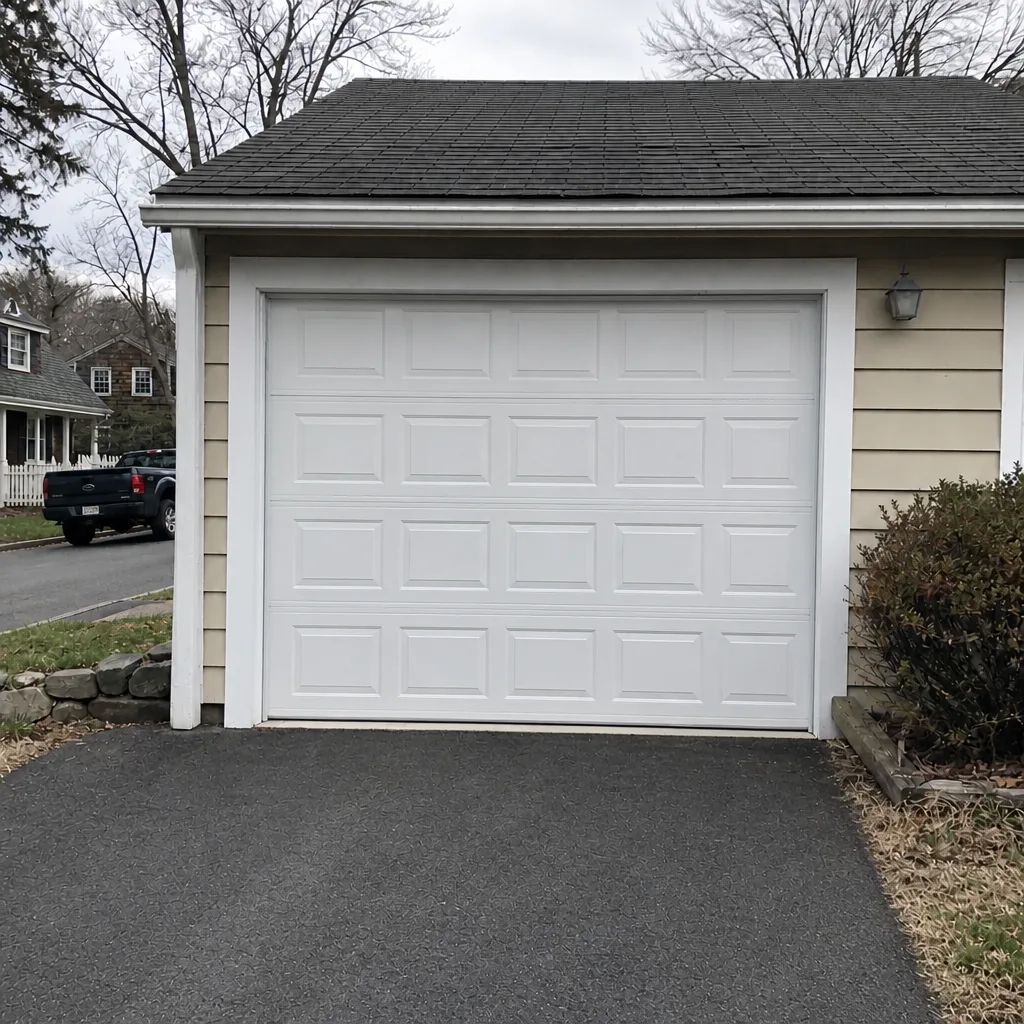 After
When to Call a Professional
Some garage door jobs are safe for a handy homeowner and some are not. Spring and cable work is always a professional call. A door that won’t open or close, an opener that clicks but won’t move, a snapped spring, or a door that reverses on its own all warrant a professional look rather than more attempts from the remote. Unusual noises, a jerky door, or a door that’s suddenly heavy point to a system failure that needs a proper diagnosis rather than a guess. We can work with your insurer on damage claims, and the price is always the written estimate, agreed before any work begins.
Marlborough Garage Door Repair Pros offers free estimates in Marlborough. Call (866) 540-7611. We answer 24/7. Fast dispatch from 7am to 7pm, Sunday through Friday.
Frequently Asked Questions
Springs in Marlborough often show wear earlier than a manufacturer’s mild-climate estimate would suggest, because the freeze-thaw cycle adds stress to the coil on top of normal use. Expect to watch for signs within about a decade of regular use, and treat a door that’s suddenly heavy or an opener that’s straining as an early warning. Call (866) 540-7611 for a free estimate on spring replacement.
The swing between freezing and mild temperatures causes repeated expansion and contraction in the spring metal, which builds fatigue faster than a stable climate. That extra cycling works lubricant out of the moving parts at the same time. Keeping the door balanced and lubricating the moving parts helps, but the climate still shortens spring life compared to milder regions.
No. A torsion or extension spring stores enough energy to cause serious injury, and releasing or winding it without the right tools and training is dangerous. This is the one job that’s always worth a professional. Our technicians know spring systems inside and out, and we’ll give you a written price before anything starts.
A click without movement usually points to a failed logic board, a stripped drive gear, or a safety sensor problem rather than the door itself. A trained technician can diagnose it quickly and tell you whether it’s an opener repair or a replacement. Call (866) 540-7611 for a free estimate.
We work on the brand you already own, including LiftMaster, Chamberlain, Genie, Clopay, and others common in Marlborough homes. That means we understand both the mechanical drives and the smart-home logic on newer openers. Whether your door is an older chain-drive unit or a newer Wi-Fi-connected model, we’ve likely seen its failure modes before.
For most Marlborough homes, yes. Steel resists moisture, warping, and rust better than wood through the local freeze-thaw cycle, and it asks far less maintenance. Composite also holds up well if you want a wood-like look. Wood can work, but it demands regular upkeep to last here.
The Bottom Line
Garage doors in Marlborough face a climate that’s harder on springs, steel, and wood than a generic guide admits. The freeze-thaw cycle shortens spring life, the housing stock spans eras with very different door and opener systems, and steel or composite holds up better here than wood. The most useful habit is reading your door as a system rather than a set of parts, so you catch a worn spring or a seized roller before it takes the opener down with it. Start with the balance test, listen to your opener, and call a professional for anything involving springs or cables. The fix is usually straightforward once you know what’s failing. Call (866) 540-7611 for a free estimate from Marlborough Garage Door Repair Pros. We answer 24/7. Fast dispatch from 7am to 7pm, Sunday through Friday.
Written by the team at Marlborough Garage Door Repair Pros.