
Last updated November 20, 2026
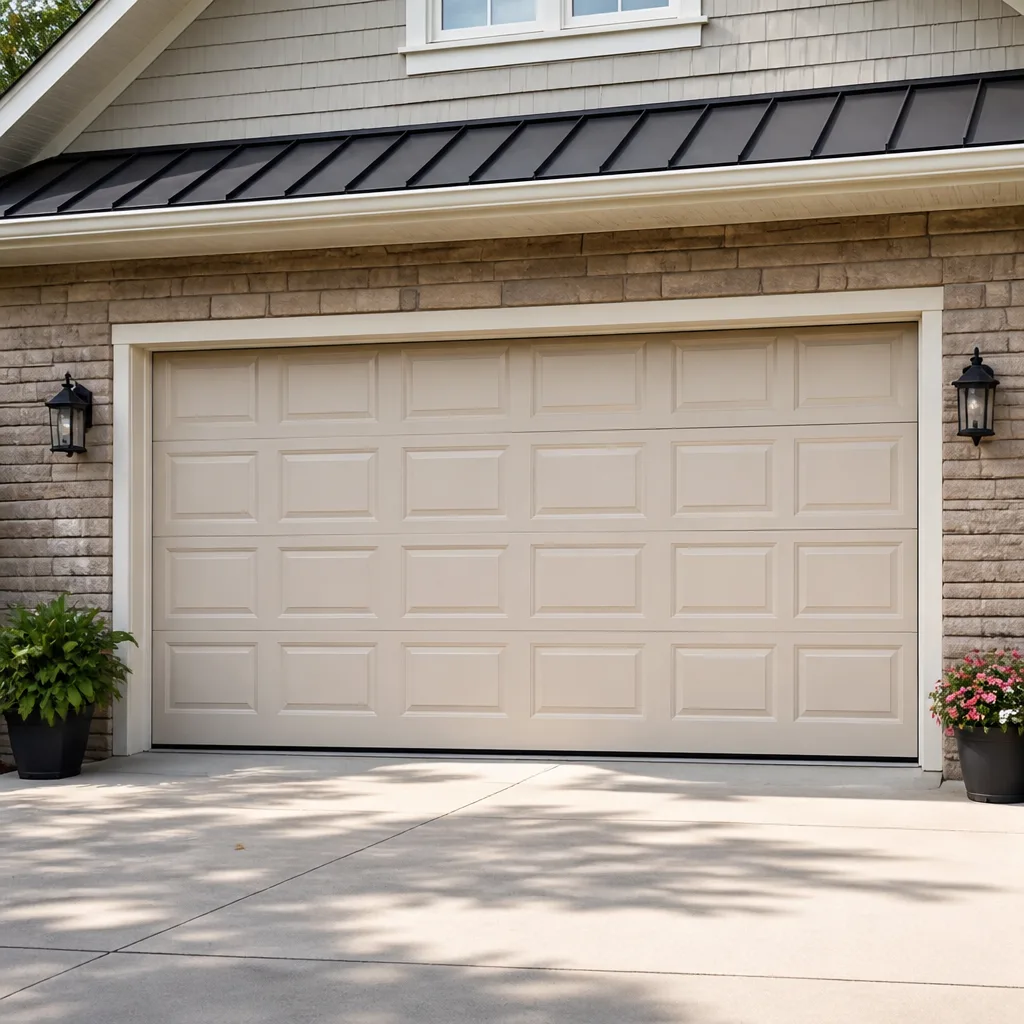 Raised-panel steel
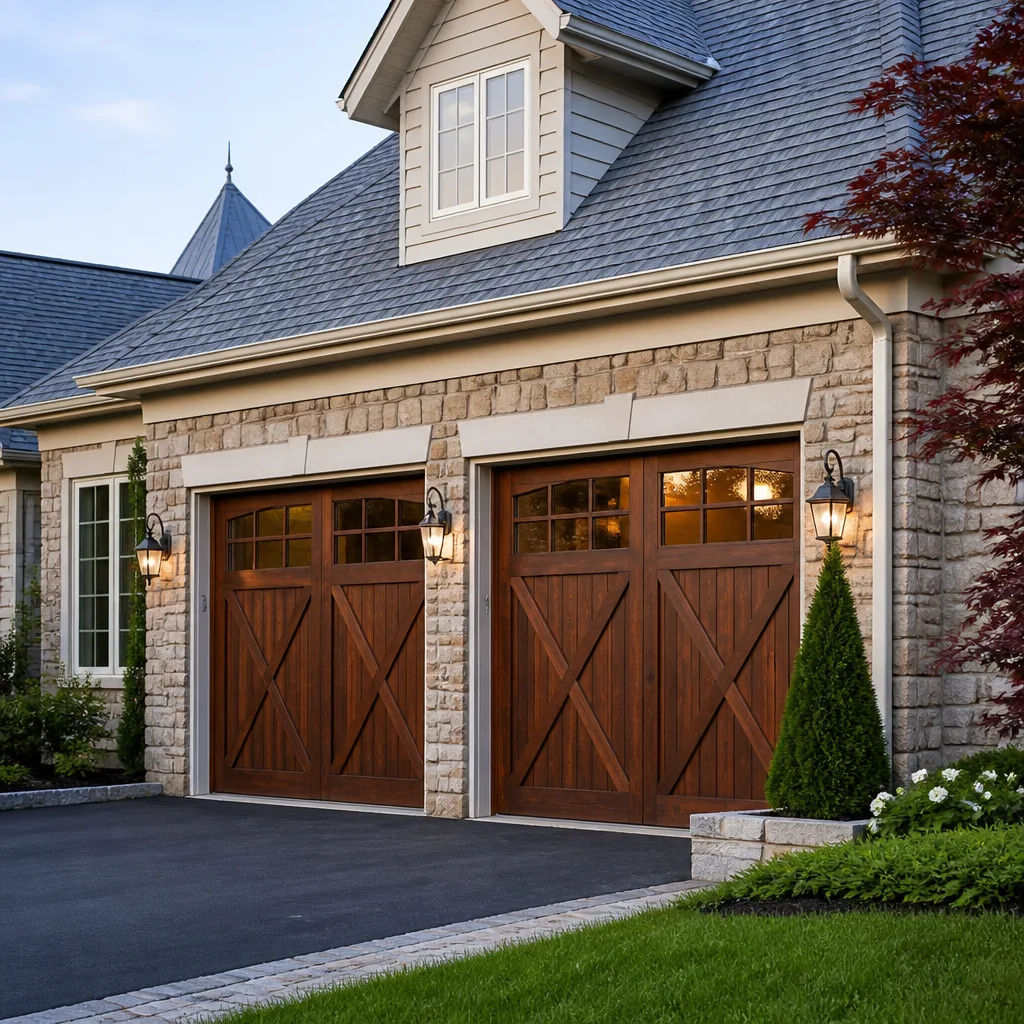 Carriage house
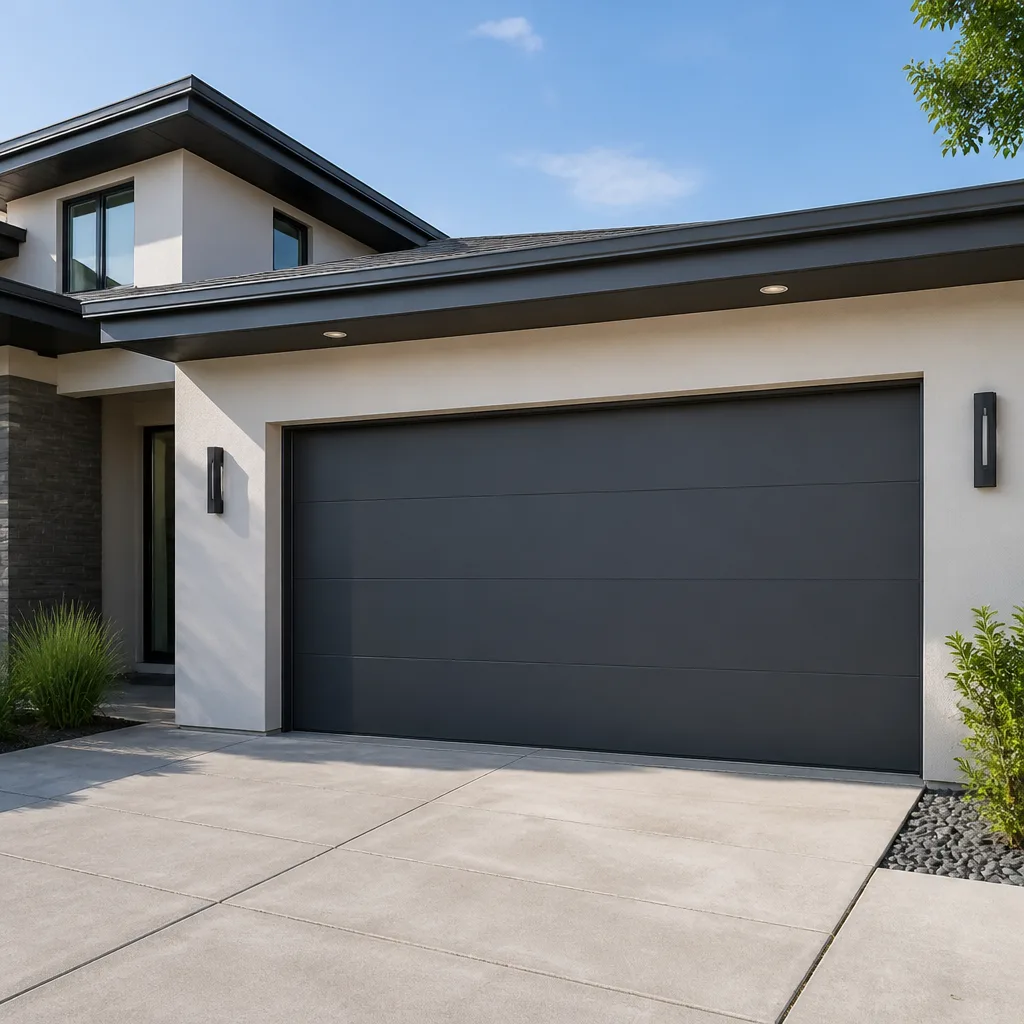 Modern flush
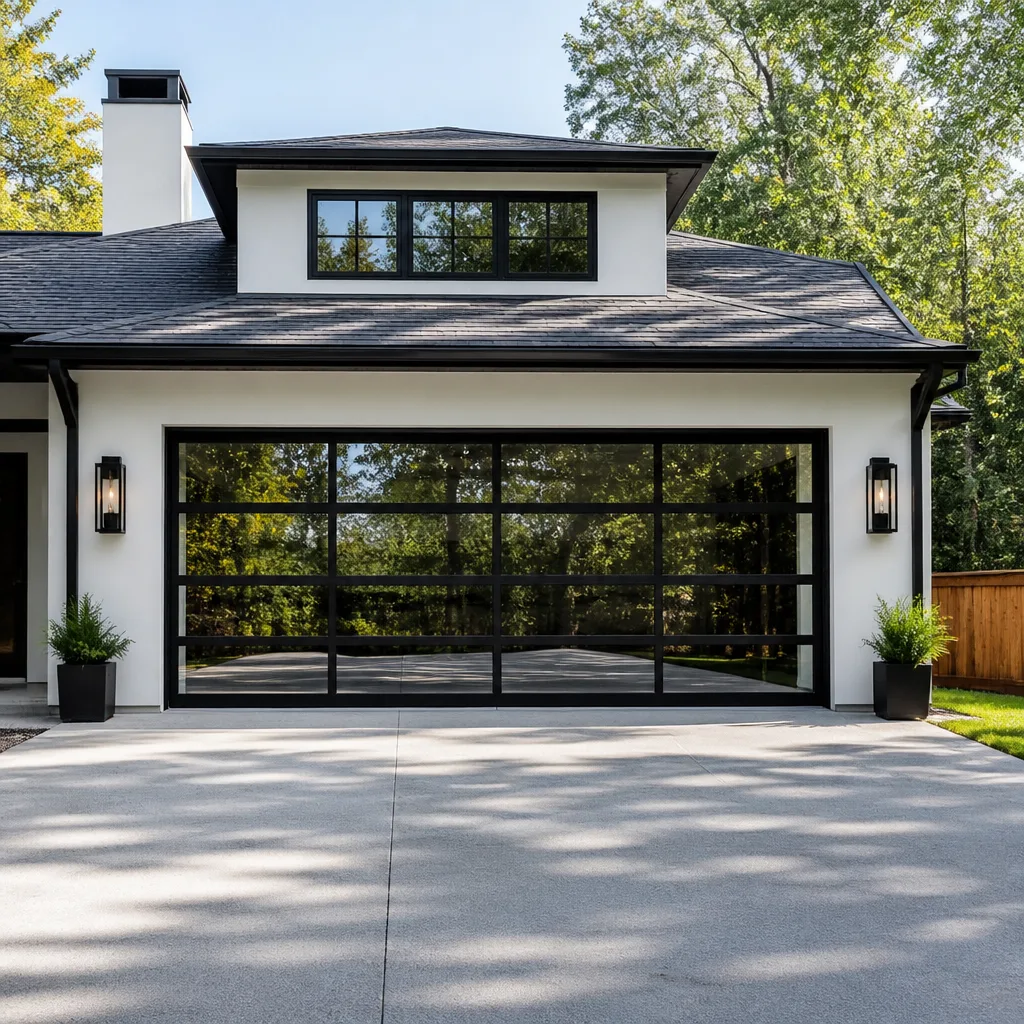 Full-view glass
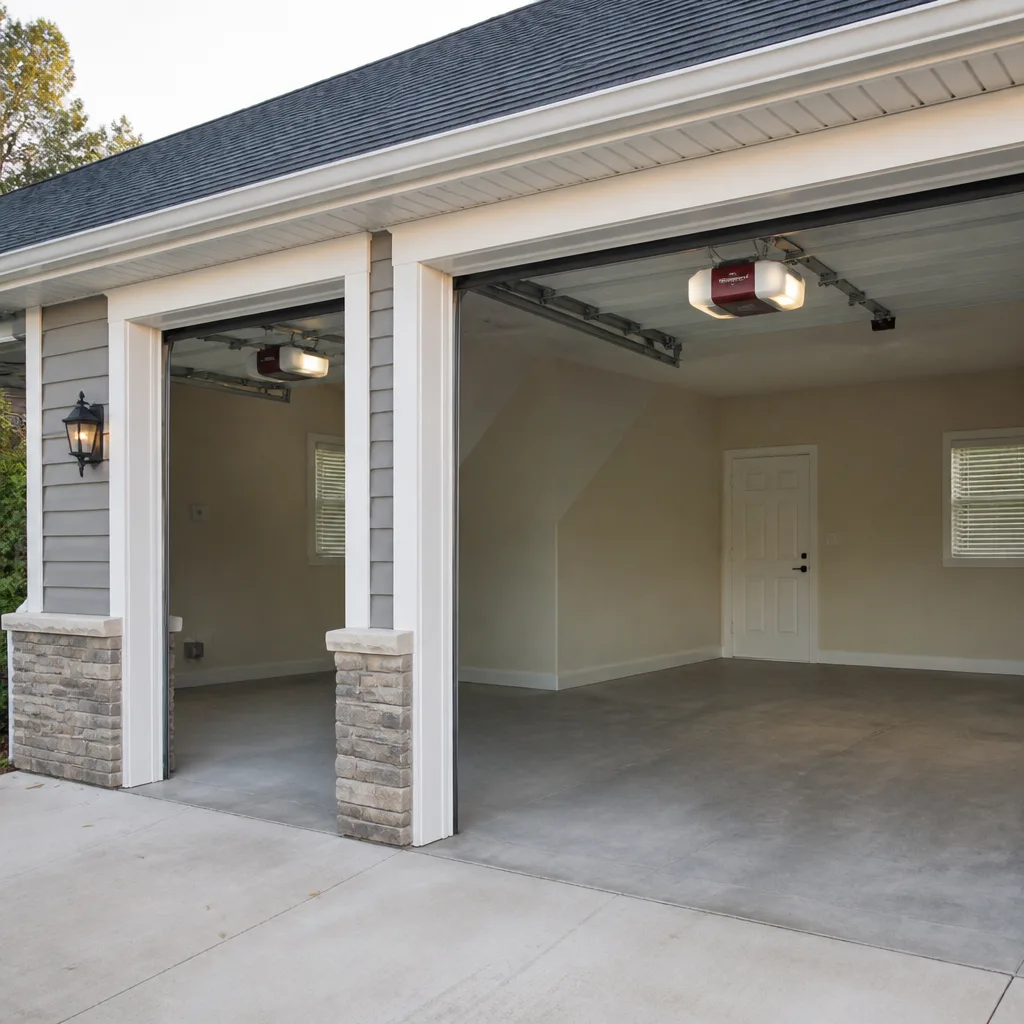 LiftMaster openers
 Chamberlain openers
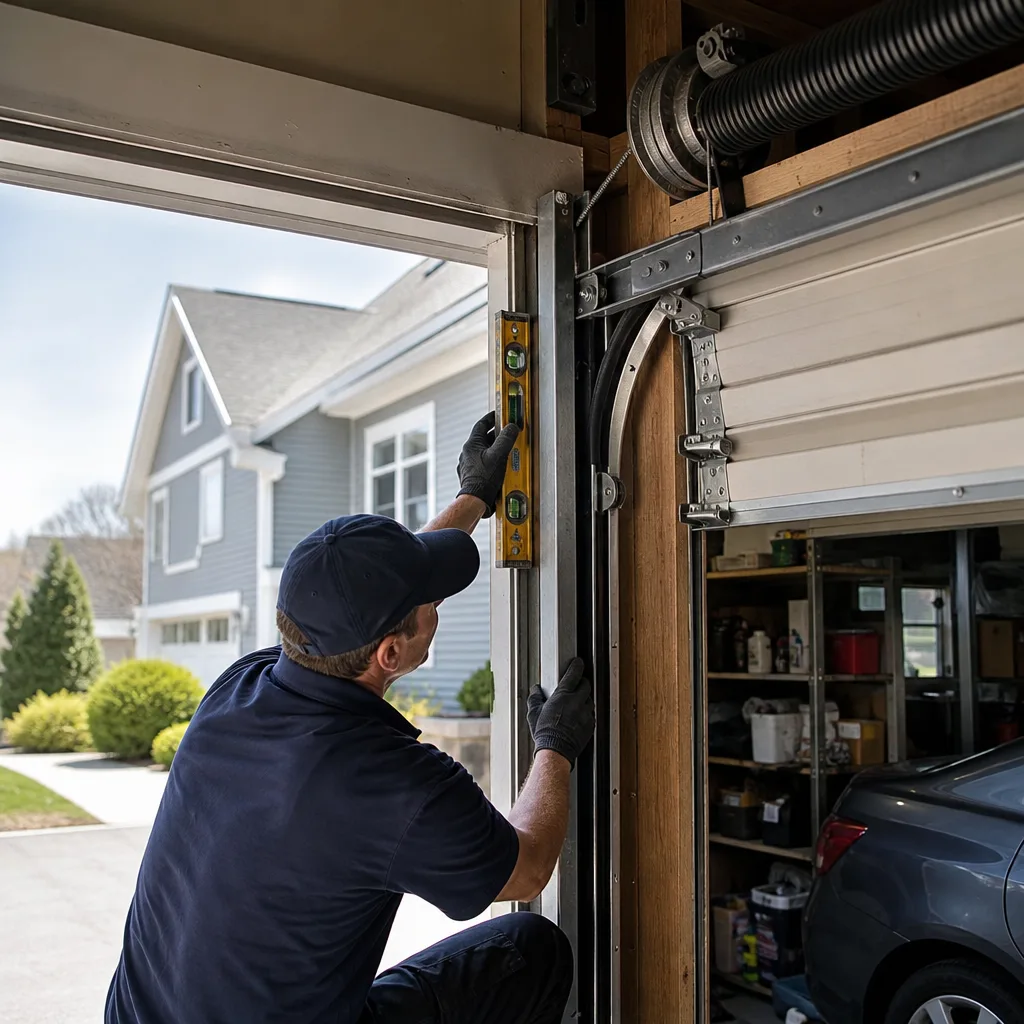
Full 25-point door and opener safety check with every visit - springs, cables, rollers, tracks, and your LiftMaster or Chamberlain opener included
You get a price before we start. It does not change when the pro arrives.
Get your free estimateSeasonal Garage Door Care for Marlborough: Year-Round Homeowner’s Guide
January in Marlborough is not the same as January on the Cape. Ground frost here pushes deeper and holds longer, and our overnight temperature swings are wider, so your bottom seal and spring tension take a cumulative beating that a generic “check it twice a year” calendar never accounts for. Most homeowners wait for a bang or a door that won’t close, then call in a panic. We’d rather you understood what each season actually does to the machinery, so you catch the failure before it happens. This guide walks through all four Marlborough seasons, what each one stresses, and the short inspections that keep a door out of trouble.
Quick Answer
Seasonal garage door care in Marlborough means checking different things at different times: lubricant and weatherstripping before the first hard freeze, spring condition after frost heave in spring, opener and panel behavior in summer humidity, and a full pre-winter prep sequence in fall. A focused 15-minute walkthrough each season, timed to what the weather is doing, prevents most of the repair calls this city sees.
Styles & brands we work with
- Raised-panel steel
- Carriage house
- Modern flush
- Full-view glass
- LiftMaster openers
- Chamberlain openers
Table of Contents
- Why Marlborough’s Seasons Are Harder on Garage Doors
- Winter: Cold, Viscosity, and Tension
- Spring: The Highest-Risk Season for Breaks
- Summer: Heat, Logic Boards, and Binding Panels
- Fall: The Pre-Winter Prep Sequence
- Building a 15-Minute Seasonal Walkthrough
- What to Look and Listen For
Why Marlborough’s Seasons Are Harder on Garage Doors
It starts with the freeze line and the way our temperature swings behave. In many coastal Massachusetts towns, the milder ocean air keeps overnight lows steadier. Marlborough sits inland enough that a February night can drop well below freezing and climb back near thaw by afternoon, sometimes several days running. That cycle matters.
Metal expands and contracts with every swing. Your torsion spring, bottom seal, hinges, and tracks all work on the same geometry, and when one warms faster than another, tolerances shift. Multiply that over a season and you get the small stresses that eventually show up as a snapped spring or a seal that won’t seal.
Then there’s ground frost. When the soil freezes and heaves, it can nudge the concrete slab your door closes onto, and the bottom seal that fit perfectly in October suddenly shows a gap in March. That gap lets in cold air, water, and pests, and it means the door travels slightly further each cycle than it should.
Our customers in neighborhoods like the streets around Hildreth and the older sections near downtown often own heavier wood-panel doors, which respond to humidity differently than modern steel. Knowing what your door is made of, and what season it’s heading into, tells you which inspection to prioritize.
If you’d rather understand the whole system before you start, our Marlborough Garage Door Repair Pros page is a good place to see how the services fit together.
Winter: Cold, Viscosity, and Tension
Winter’s first job is to thicken every lubricant on your door. The grease in the hinges and the oil on the rollers doesn’t disappear in the cold, it just gets stiff, and a stiff joint means the opener has to pull harder to move the same panel. That extra load shows up as a sluggish door, a strained opener, or a roller that skips and grinds.
Before the first hard freeze, these are the adjustments that matter:
- Switch to cold-rated lubricant. A silicone or lithium-based spray designed for low temperatures keeps hinges and rollers moving when the mercury drops.
- Check spring balance by hand. Disconnect the opener and lift the door halfway. It should hold position with light effort. If it drops or takes real force to raise, tension is drifting.
- Inspect the bottom seal. Look for cracks, flattening, or a gap against the slab. A seal that’s already failing won’t survive the first freeze.
- Test the door’s travel. It should run fully open and fully closed without stalling or reversing on its own.
We’re careful about spring tension because torsion springs are the most dangerous part of any garage door. They hold enormous stored force, and adjusting one without the right winding bars and knowledge can release that force in an instant. Don’t try to wind or unwind a spring yourself. If the balance feels wrong, that’s a job for a trained technician.
Weatherstripping is the other quiet winter issue. A seal that leaks cold air means your door doesn’t truly close against the weather, and it can let meltwater freeze into the track, which then binds the door on the next cold morning. Replacing weatherstripping early is cheap compared with thawing out a track.
Spring: The Highest-Risk Season for Breaks
Spring is when most spring failures happen, and the reason is cumulative. A torsion spring carries a rated cycle count, and every open and close spends one. Winter nudges it closer to the limit with sluggish movement and extra strain, and the first warm stretch of March is when a spring that’s been on the edge finally lets go, often with a loud report.
Frost heave is the second spring hazard. When the ground thaws and settles, the grade around your garage can shift, and if the slab moves even slightly, the door’s alignment changes. A door that hangs crooked, rubs on one track, or fails to sit flat puts uneven load on the opener and the springs.
After the thaw, inspect these items:
- Spring condition. With the door closed and the opener off, look at the torsion spring above the door for a visible gap or break. Never touch a broken spring, and never try to cycle a door that has one.
- Track alignment. Tracks should be evenly spaced and parallel. A bent or knocked track means the rollers can jump out, which is a common failure after a rough winter.
- Door level. Sight along the bottom edge. One side higher means the door is cocked and the springs are working unevenly.
- Slab and seal contact. Check whether the seal still meets the concrete all the way across after frost heave.
If you see a broken spring or a door that won’t move, the fastest path is a call for repair rather than a workaround. Our garage door spring repair service is the specialization we built this company around, and it’s the repair homeowners in Marlborough call for most often in spring.
Summer: Heat, Logic Boards, and Binding Panels
Summer’s threat is mostly electronic and mostly invisible until it fails. Heat builds up inside the opener housing, and the logic board, the little circuit that runs the whole unit, is sensitive to high temperatures and humidity. A board that’s been running hot can cause intermittent behavior: the door opens partway and stops, the remote works sometimes and not others, or the safety sensors act up in the afternoon shade glare.
This is where knowing your brand helps. LiftMaster, Chamberlain, Genie, and Craftsman openers all have their own logic boards and their own quirks, and the diagnostic approach differs from unit to unit. Our technicians have up to 12 years of experience working across those brands, so we read the symptoms against the system rather than guessing.
Humidity is the other summer issue, and it hits wood doors hardest. A Clopay or Amarr wood-panel door absorbs moisture through its panels and can swell enough to bind in the tracks or throw off the opener’s travel settings. Here’s what to watch:
- Panels that stick. If the door needs a second press to get moving, humidity is likely the cause.
- Track clearance. Swollen panels reduce the gap between the door edge and the track, causing rubbing sounds.
- Opener cycles. If the opener reverses or stops mid-travel, the board or the travel limits may need attention.
- Sensor alignment. Sun on one sensor and not the other can trip the safety reverse, so shade the receiving eye if it’s getting direct glare.
If the opener itself is failing, our garage door opener repair service covers both classic drive systems and the newer smart Wi-Fi units. A lot of summer opener calls turn out to be a logic board, a remote issue, or a travel limit that drifted, all of which are repairable rather than a replacement.
Fall: The Pre-Winter Prep Sequence
Fall is the most important maintenance window of the year, because everything you do here sets up how well the door survives the months that follow. The goal is to finish every check before the first hard freeze locks in the ground and hardens the seals.
Work through this sequence in order:
- Lubricate the moving parts. Hinges, rollers, and the torsion spring coils get a cold-rated lubricant, but avoid the tracks themselves, which should stay clean and dry.
- Test the balance. Disconnect the opener and lift the door halfway. It should hold. If it drops, the springs need professional attention.
- Inspect the bottom seal and weatherstripping. Replace anything cracked, torn, or flattened before the cold makes the rubber brittle.
- Check the safety reverse. Place a small object in the door’s path and confirm it reverses on contact. This is also a good moment to test the balance on the opener’s force limits.
- Tighten hardware. Loose brackets and bolts rattle themselves looser over winter, so tighten them now.
- Clear the tracks and the sill. Leaves, grit, and debris in the tracks cause binding once they freeze.
Once you’ve done the sequence, note anything that looked worn. A Wayne Dalton or Craftsman door that’s showing roller wear in the fall is a good candidate for a spring tune-up before winter stress pushes it over the edge. If you spot something that needs a technician, our garage door repair service handles the actual fixes.
Building a 15-Minute Seasonal Walkthrough
The trick to seasonal care isn’t effort, it’s consistency. A 15-minute walkthrough each season beats an hour of panic repair in the middle of winter. Here’s how to make it a habit.
- Pick a trigger. Tie your walkthrough to something you already do, like the first time you need to shovel, or the first weekend after you change the clocks.
- Walk the perimeter. Start at the door, look at the seals, and work your way up through the springs, hinges, and tracks.
- Run it once. Open and close the door and watch for anything uneven, slow, or loud.
- Note anything off. Keep a short note of what you saw so you can compare next season.
- Book the fix early. A worn roller or a fraying cable is cheap to fix now and expensive to ignore later.
Over a full year, this kind of habit means you catch the small things before they turn into the failures that actually stop your day. That’s the whole point of doing it by season: the door tells you what’s coming if you’re looking.
What to Look and Listen For
Your ears will catch more than your eyes. A healthy door is quiet, steady, and even. Here’s what to listen for as you run it each season:
- A single loud bang. That’s the classic sound of a torsion spring snapping, and it means don’t run the door again until a technician looks at it.
- Grinding or scraping. Usually a roller or a track issue, and often worse in winter when lubricant is stiff.
- Rattling. Loose hardware, and it tends to loosen further with temperature swings.
- A door that reverses unexpectedly. Often a sensor or travel limit problem on the opener, and more common in summer.
- A sagging or uneven look. Can signal spring imbalance or a shifted track.
None of these need to be emergencies if you catch them early. The safety piece stays constant regardless of season: springs and cables store serious force, so leave the adjustment to a trained technician and never put your hands near a wound spring or a tensioned cable.
Common Mistakes to Avoid
- Waiting for the first hard freeze to check the seal. By then the rubber is brittle, and a cold-weather replacement is harder than a fall one. Do it while the weather is still mild.
- Lubricating the tracks. Tracks should stay dry. Lubricant there attracts grit and makes the rollers slip instead of roll.
- Ignoring a door that only sticks sometimes. Intermittent is a warning sign, not a fluke. In Marlborough it usually shows up when temperatures swing, which is most of the year.
- Using a general handyman for spring work. Torsion springs aren’t a general repair task. They require specific tools and protocol, and a wrong adjustment is genuinely dangerous.
- Skipping the summer opener check. Logic boards overheat quietly, and a door that behaves strangely in July often needs a diagnostic rather than a replacement.
- Letting frost heave go unaddressed. A slab that moves can throw the door out of alignment for months unless the track and seal contact are rechecked after the thaw.
- Forgetting the safety reverse test. It’s the one check that protects the people in your household, and it should be done every season without exception.
See the difference
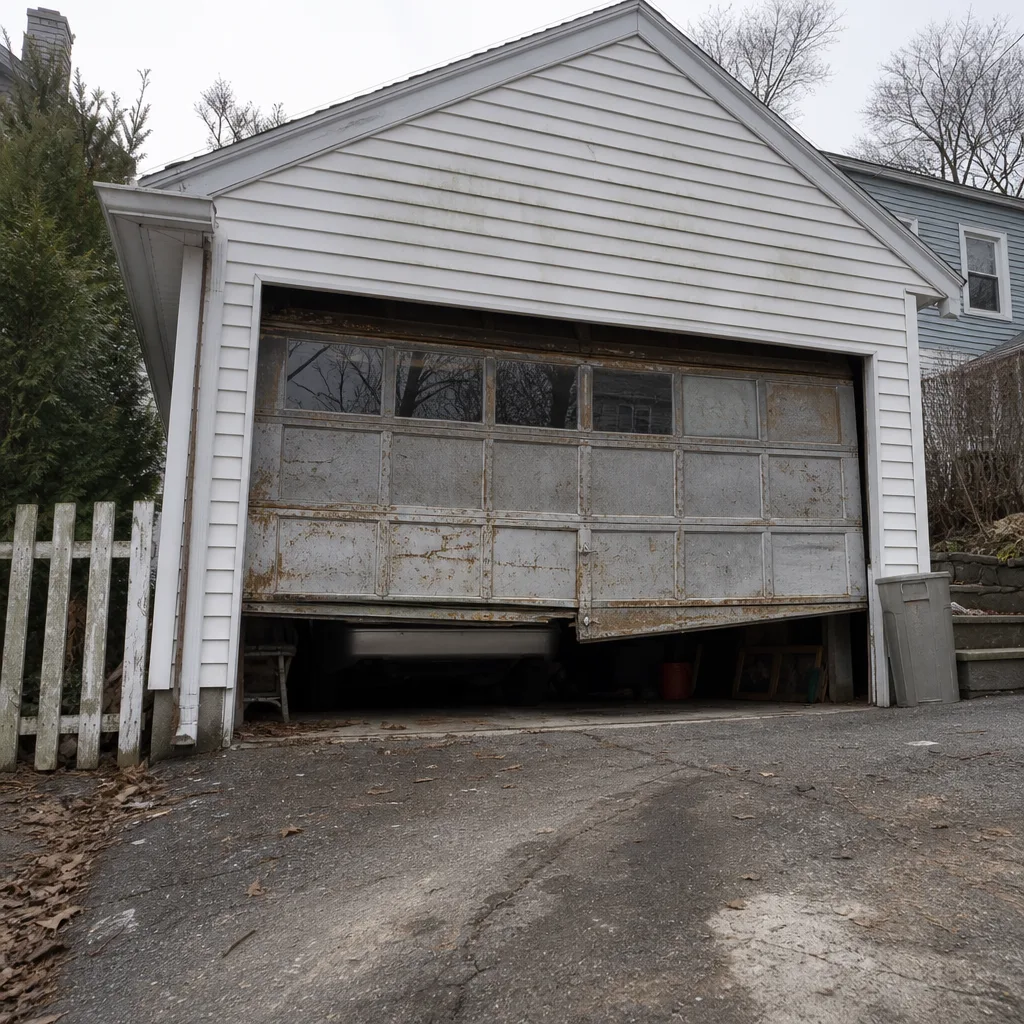 Before
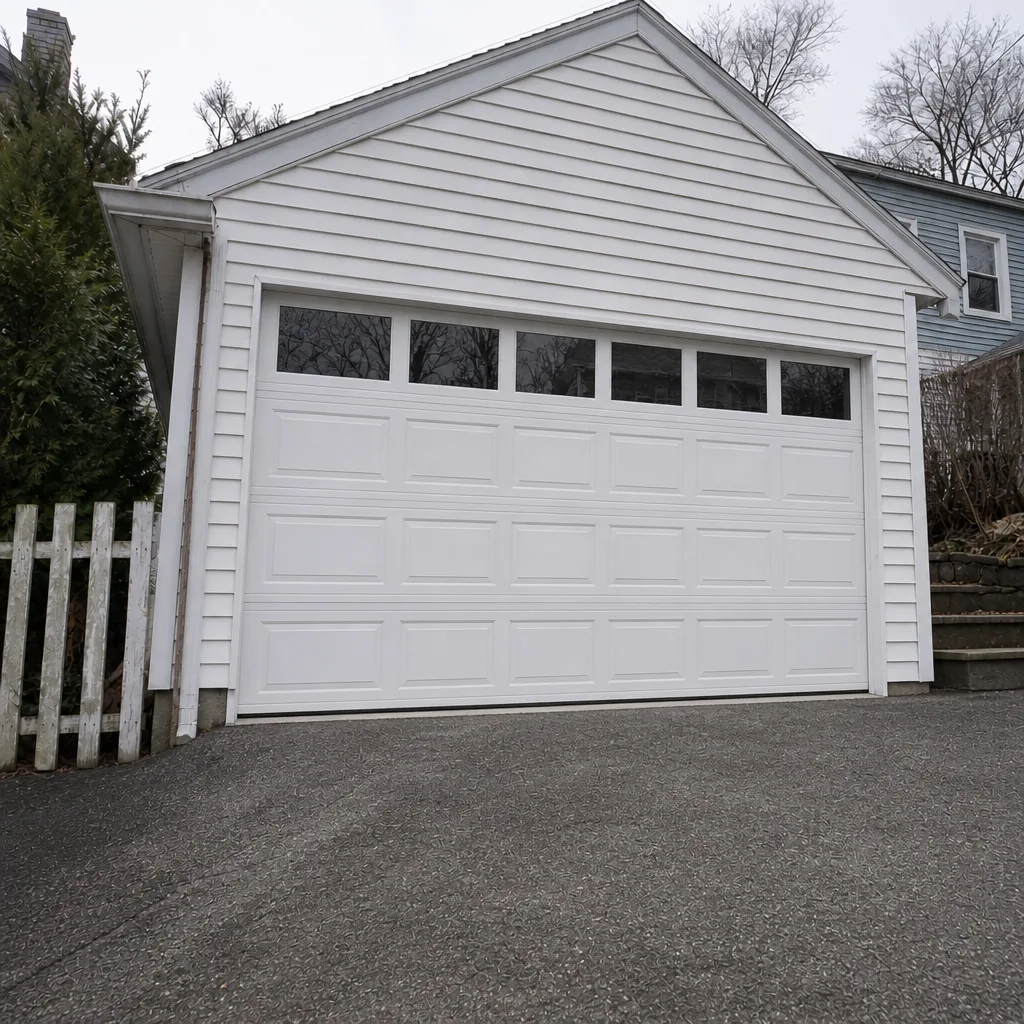 After
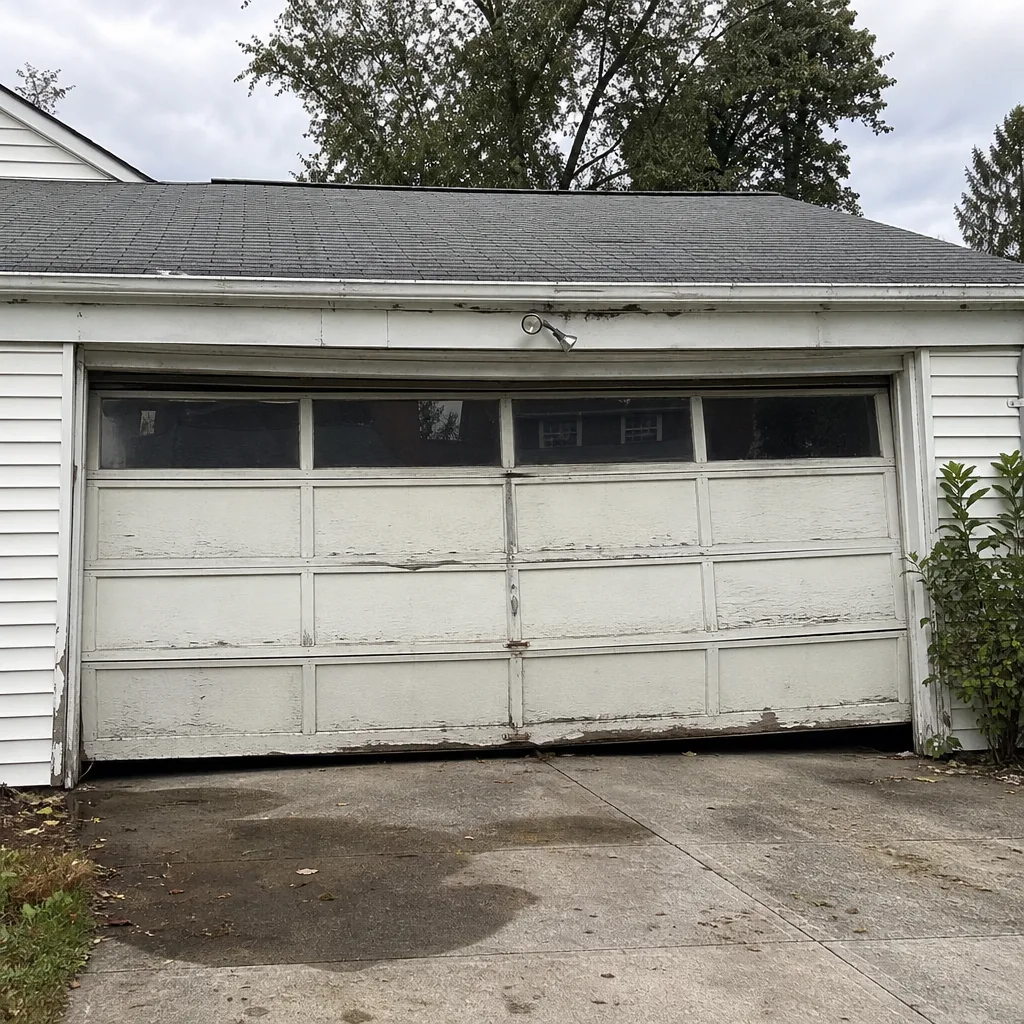 Before
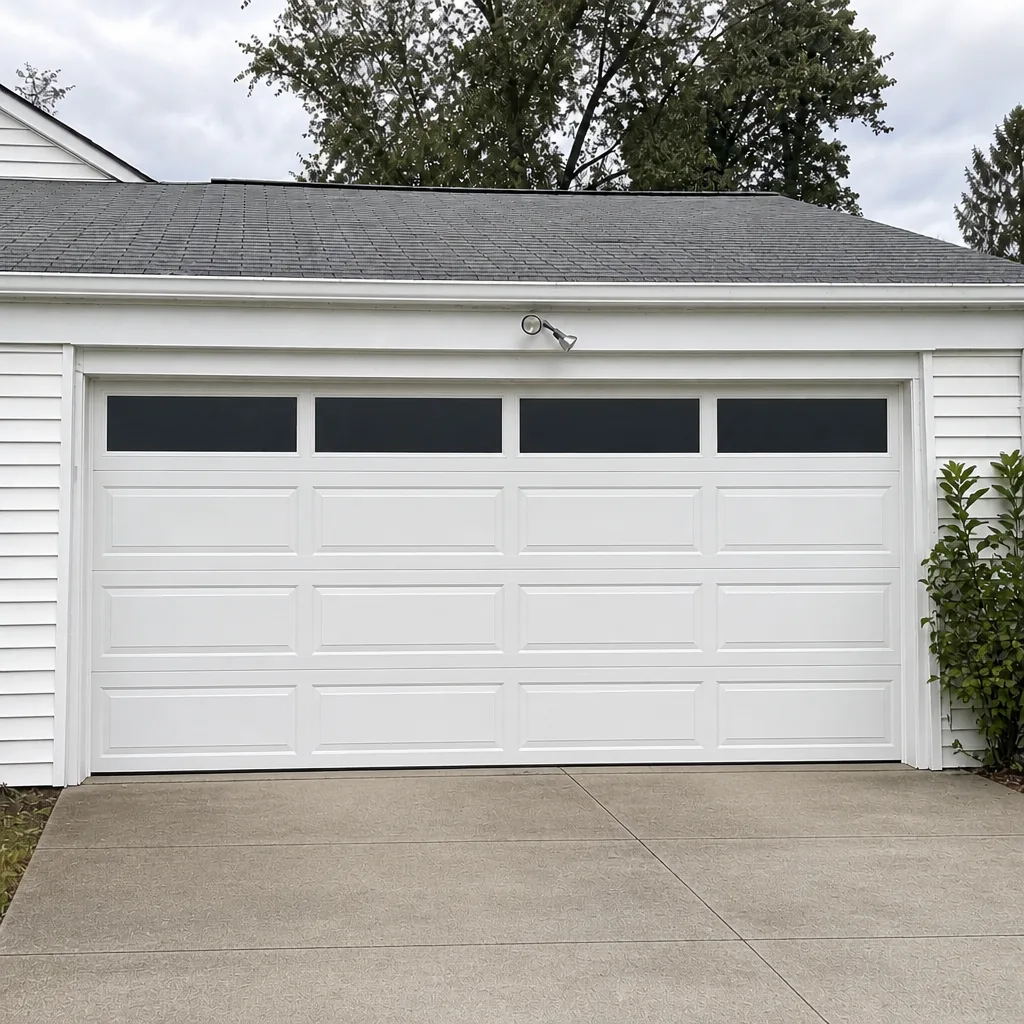 After
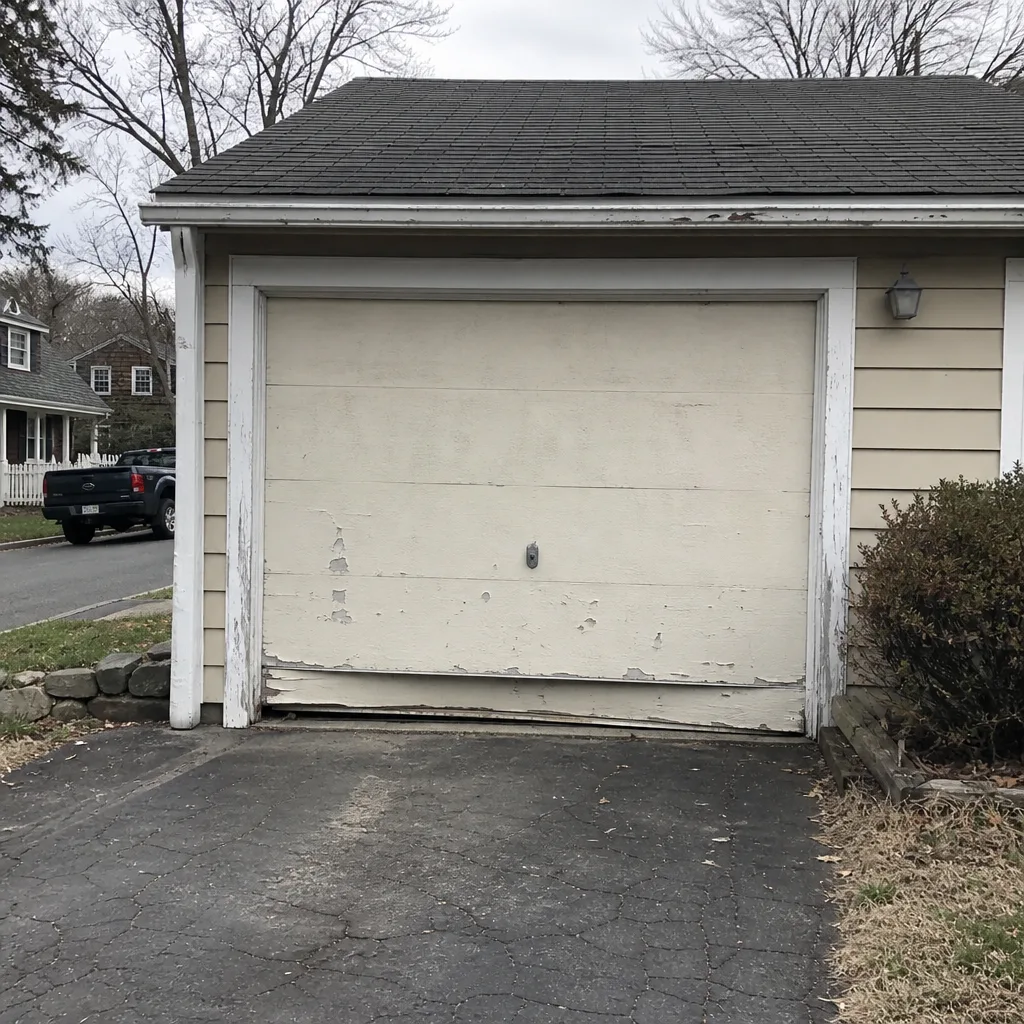 Before
 After
When to Call a Professional
Some issues call for a trained technician rather than a homeowner check. Call when you see a broken torsion spring, a door that won’t move at all, a cable that’s frayed or hanging, a track that’s bent, or a door that reverses on its own without an obstruction. Call if the opener runs but the door doesn’t, or if the door won’t open fully in the first place. Those are the three failures we handle most: doors that won’t move, openers that won’t respond, and springs that have snapped. Marlborough Garage Door Repair Pros offers free estimates in Marlborough, and we quote the price and agree on it before any work starts. Call (866) 540-7611. We answer 24/7. Fast dispatch from 7am to 7pm, Sunday through Friday.
Frequently Asked Questions
Four times a year, timed to the seasons, is the right cadence for this climate. Each check focuses on what that season stresses, so you’re inspecting the right thing at the right time rather than doing the same list over again. A 15-minute walkthrough each season is enough.
Spring failure in early spring is the most common, because winter strain and frost heave combine to push a tired spring over the edge. The second most common is a bottom seal that fails to survive the freeze-thaw cycle. Both are far cheaper to handle early than after a breakdown.
No. Torsion springs hold extreme stored force, and adjusting one without the proper winding bars and training can cause serious injury. We flag this every season because it’s the single most dangerous DIY mistake we see. Call a trained technician for anything involving spring tension.
Heat and humidity are the two causes. Heat can push an opener’s logic board into intermittent behavior, and humidity swells wood panels so they bind in the tracks. If the door only misbehaves on hot or humid days, that’s a strong hint. Call (866) 540-7611 for a free estimate if it persists.
Yes. Wood doors like a Clopay or Amarr model need more attention in summer humidity because they absorb moisture and swell, while steel doors are more sensitive to winter cold and seal failure. Knowing your door material tells you which season to watch most closely.
Often yes, because a door that won’t close or won’t move is one of the urgent repairs we prioritize. Call (866) 540-7611 and tell us what the door is doing. We answer 24/7, with fast dispatch from 7am to 7pm, Sunday through Friday. The price is quoted and agreed before any work starts.
The Bottom Line
Marlborough’s four seasons each stress your garage door in a different way, and the fix is matching your checks to what the weather is doing. Lubricant and seals before the first freeze. Springs and alignment after frost heave. Opener and panel behavior through summer humidity. A full pre-winter prep each fall. None of it takes long if you build it into a habit, and all of it prevents the failures that stop your day. Know your brand, watch and listen, and call a specialist for anything involving springs or cables. The rest you can safely handle yourself.
Contact Us
If a seasonal check turns up something you’d rather leave to a specialist, we’d be glad to take a look. Marlborough Garage Door Repair Pros works on the brand you already own, from LiftMaster and Chamberlain openers to Clopay, Amarr, Wayne Dalton, and Raynor doors, and spring repair is what we do best. Call (866) 540-7611 for a free estimate. We answer 24/7. Fast dispatch from 7am to 7pm, Sunday through Friday.
Written by the team at Marlborough Garage Door Repair Pros.